
Wastes Service Group offers comprehensive lithium-ion battery recycling services, which are a key element in the transition toward a circular economy. Through advanced technologies and strict adherence to environmental standards, we recover valuable raw materials such as lithium, cobalt, nickel, and copper, while minimizing environmental impact.
Our processes ensure safe and efficient treatment of used batteries, supporting the development of electromobility and reducing the need to exploit new natural resources. We cooperate with manufacturers, importers, and companies involved in waste collection and transport, providing transparent and legally compliant solutions at every stage of the recycling process.
By choosing Wastes Service Group, you choose an ecological approach, innovation, and responsibility for future generations.
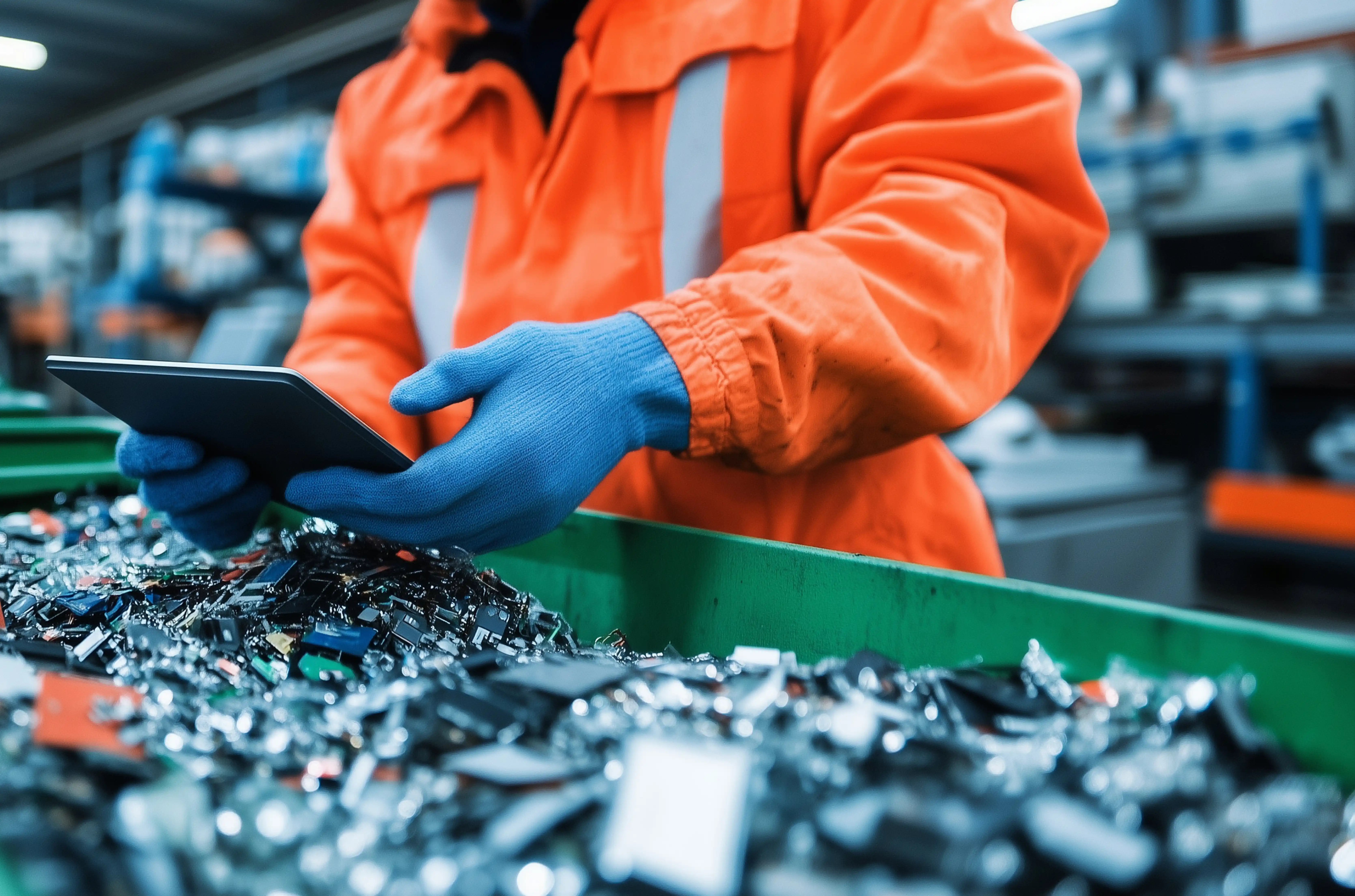
Batteries are collected from manufacturers, service centers, or collection points. They are sorted by chemical type, condition, and size. We also verify which type of cells were used to build the battery (prismatic, cylindrical, pouch). Each chemistry (NMC, NCA, LFP, and others) requires a different recycling strategy, and mixing them can reduce the quality of the recovered recyclates.
To avoid the risk of ignition, batteries must be fully discharged. At this stage, we assess their physical properties, state of charge, and decide on the appropriate further handling method.
A key element is identifying mechanical damage, such as housing cracks or cell swelling. A damaged cell can enter thermal runaway even when idle, which is why proper handling of received batteries is so important.
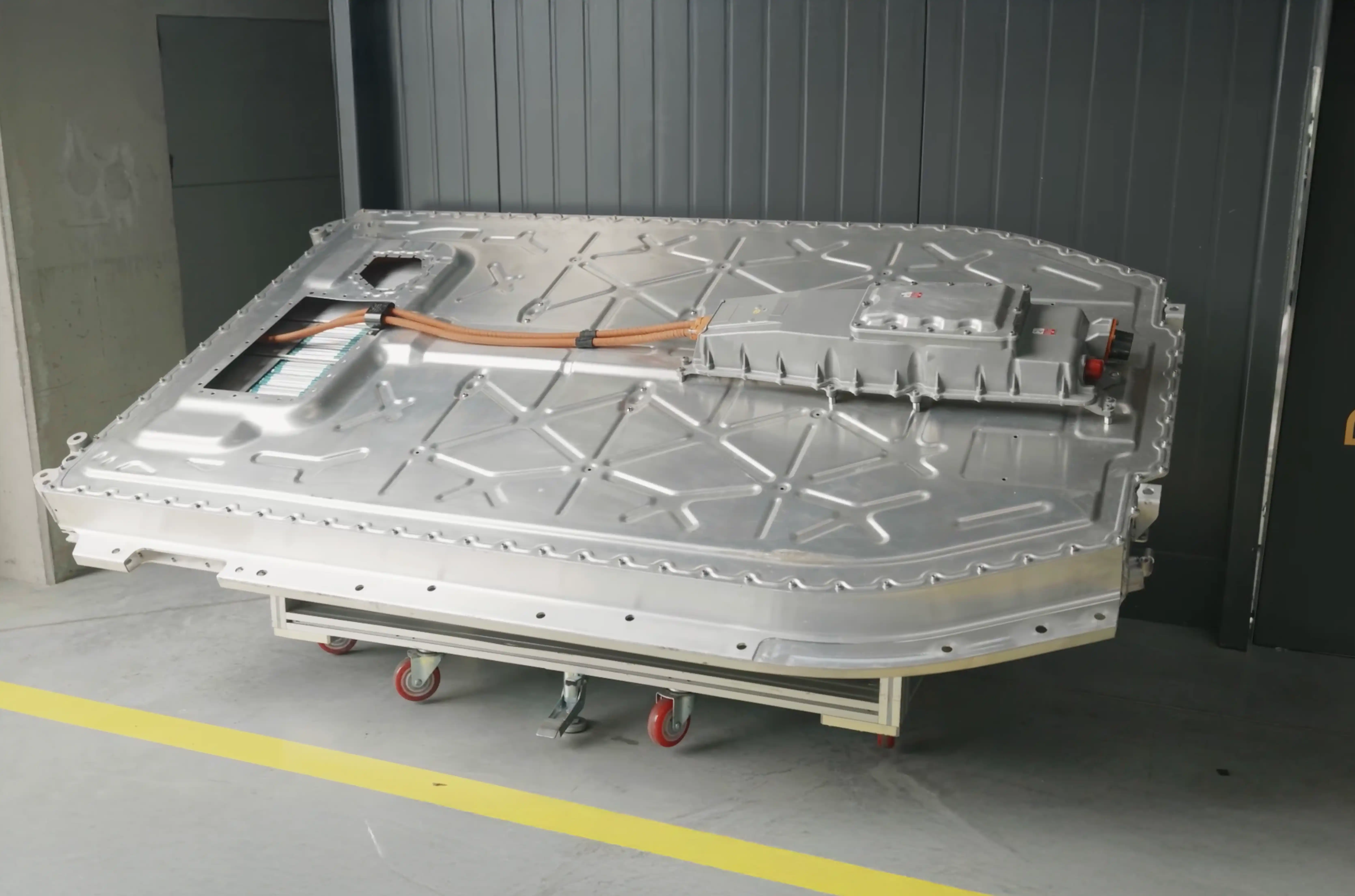
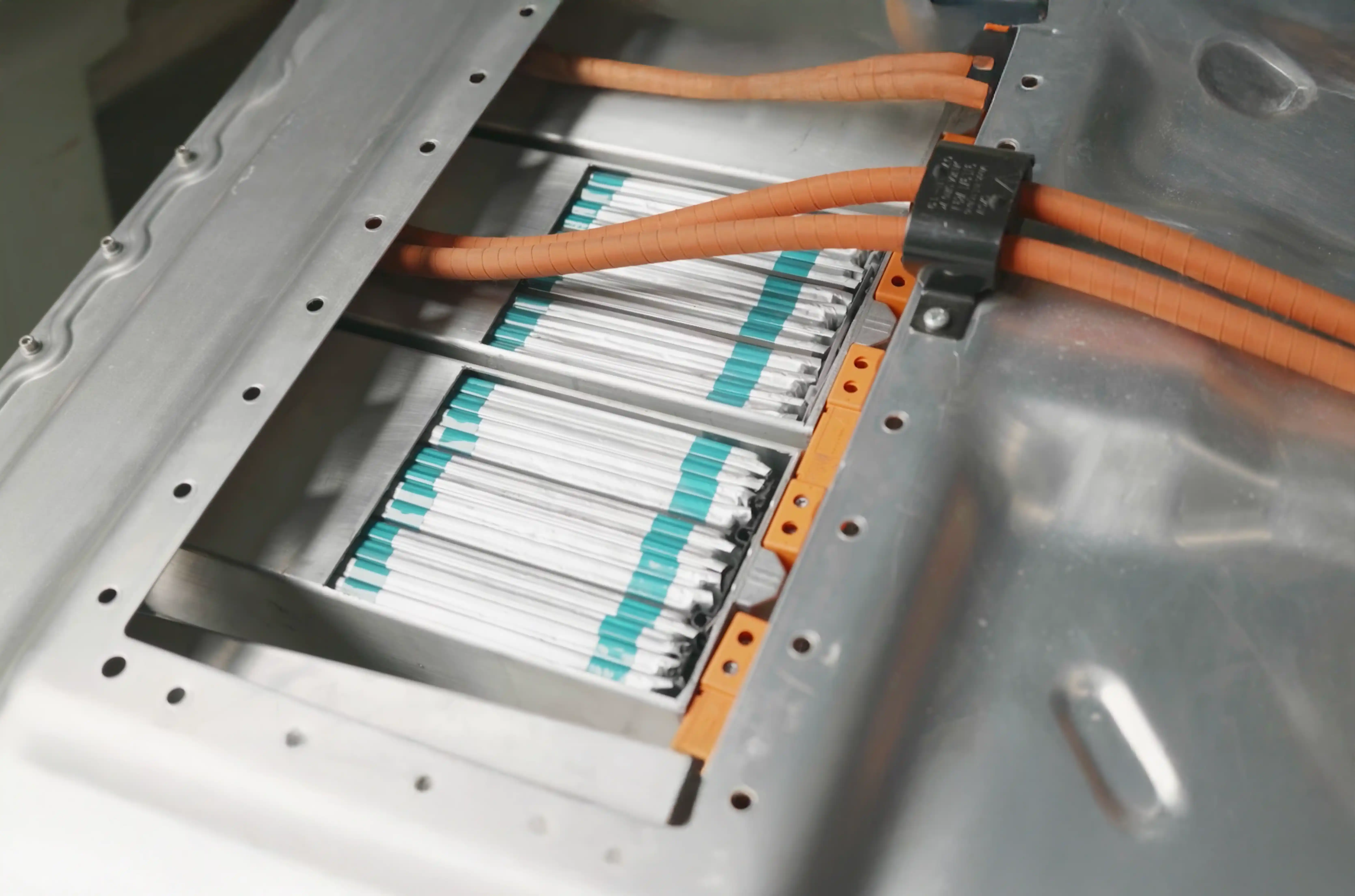
At this stage, traction batteries are disassembled from the pack level to the module level, and then down to individual cells. The process includes opening the casing, disconnecting the BMS system, dismantling the cooling systems, and separating structural components.
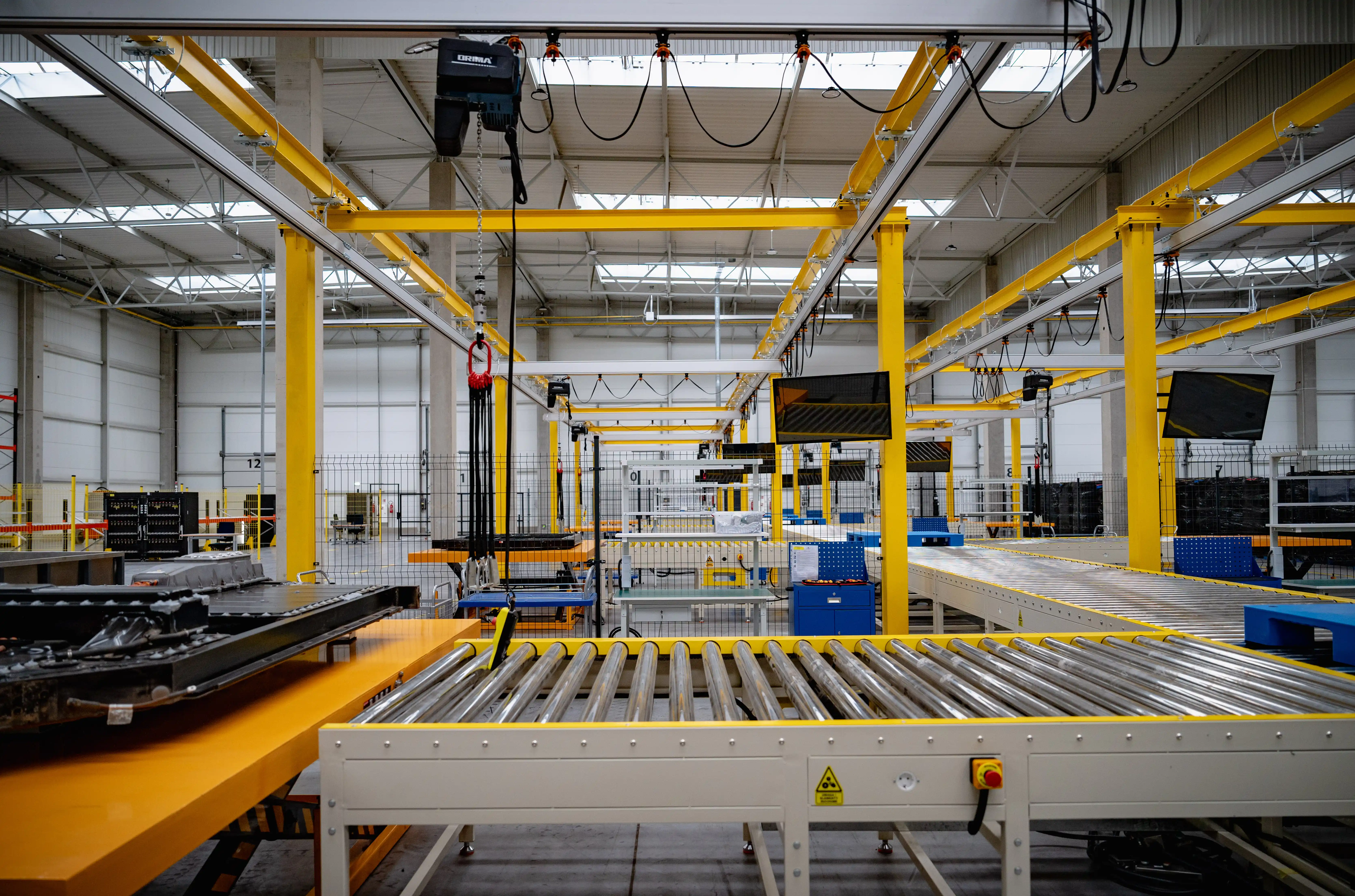
Our facility uses a dedicated disassembly line for BEV, HEV, and PHEV battery packs, enabling safe and controlled operations on both small hybrid packs and large battery systems from fully electric vehicles.
For batteries occurring in repeatable streams (stable models, unchanged generations), we implement automation of the disassembly process. This significantly increases efficiency, improves safety, and ensures consistent quality of recyclates and their further utilisation.
By choosing Wastes Service Group, you opt for an innovative and environmentally friendly approach while reducing the carbon footprint across your product’s life cycle.
Visit us on LinkedIn and get to know us better. On our profile, we publish content related to the activities of our company, but also share news from the world of recycling, e-scrap and automotive.