

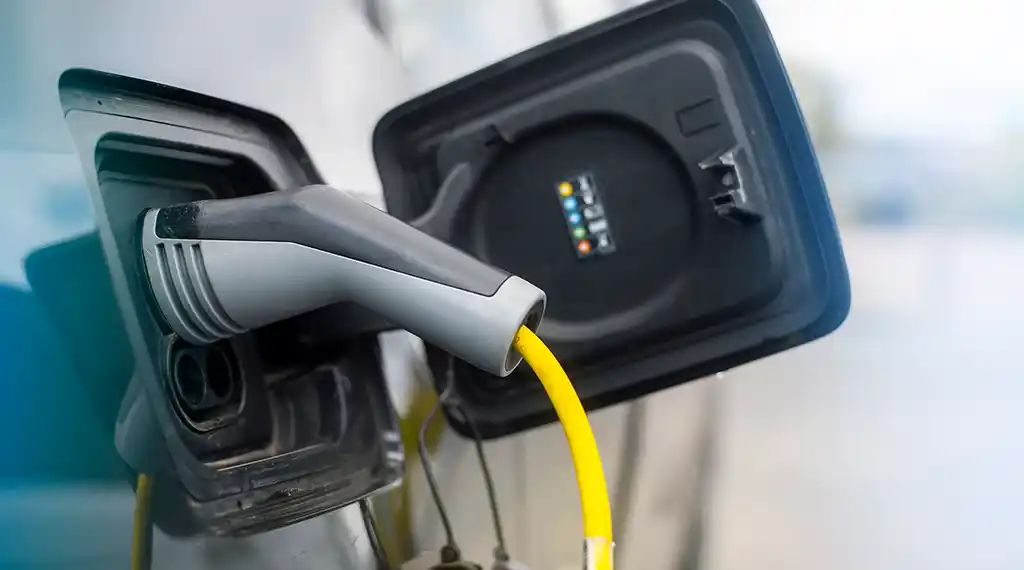
The automotive industry is changing before your eyes, creating new needs in the disposal of modern drivetrains. Every electric vehicle is a challenge for your technical facilities and your knowledge of safety standards. Managing used cells efficiently requires great precision and modern tools. The right approach to this topic will protect your business from many dangerous incidents.
The transformation of the automotive market is generating huge numbers of components that must go to professional recovery points. Growing sales of low- and zero-emission cars mean that your existing waste streams are changing and current procedures may become outdated. You need to introduce new ways of working to manage this new type of waste efficiently in your company. Wastes Service stands out in this field and makes the task easier for many companies in your industry. Your readiness for these changes will determine the stability of your business in the years ahead.
The rapid growth of electrified cars forces you to adapt the processes for handling them quickly. More and more manufacturers are focusing on electrified drivetrains, making EV battery logistics part of your daily routine. Bear in mind that each model has a different type of battery with different parameters. Preparing the right infrastructure will let you handle this new product group efficiently. See how the Wastes Service Group works in practice to organise your own operations better.
The first wave of modern lithium-ion batteries is now losing its original capacity, which means they urgently need to be dealt with. Older packs rarely have protection as good as the latest models, so transporting them can be more demanding. Battery waste from this group requires extra vigilance. Careful initial checks of the batteries will prevent dangerous situations during transport. It is worth knowing exactly how professional lithium-ion battery recycling works, so you avoid mistakes when handing them over.
HEV battery logistics differs from BEV logistics mainly in the weight of the modules being transported and their energy density. In hybrids you deal with smaller packs that can be moved without heavy equipment. Batteries from electric cars, on the other hand, weigh hundreds of kilograms and require specialist handling equipment. This difference directly affects the time needed to prepare safe transport at your site. You need to adapt your storage areas to both standards to stay efficient.
The design of an electric car battery requires forklifts with a high load capacity. In hybrids the cells are smaller but can be harder to reach when removing them from the vehicle. You must take into account the chemical diversity of cells, which determines their resistance to temperature fluctuations. Knowing the specific battery model will let you choose the best way to secure it. Professional cooperation with a reliable operator will help you manage these complex technical differences efficiently.
Classifying and assessing the condition of batteries before transport is based on detailed diagnostics and visual inspection. You must state precisely whether a pack is damaged, as this changes the entire logistics route. It is your responsibility to rule out leaks and swelling, which disqualify a battery from normal transport. Any mistake at this stage carries the risk of serious financial penalties. Learn more about the process by reading how electric battery recycling works in professional facilities.
The biggest hazard at your site remains battery thermal runaway, an uncontrolled rise in temperature. You must be able to recognise its first signs, such as off-gassing or an unusual smell. Your response must be immediate and in line with your fire safety procedures. Diagnostics do not end with a visual check and often require reviewing the error history in the battery management system (BMS). A proper assessment of technical condition is the only way to transport these goods safely.
Safe storage of high-voltage batteries requires special zones separated from the rest of your workshop. Equip these areas with early smoke detection systems and suitable extinguishers. Make sure the packs are not exposed to moisture or mechanical damage. Storing high-voltage batteries is a process that requires constant supervision. You will find effective rules in our article on safe battery storage, which will help you avoid hazards.
All batteries must be kept apart from other parts to prevent fire from spreading quickly. Monitor the temperature in the storage area around the clock using modern sensors. A large number of stored cells requires efficient mechanical ventilation. Keeping safe distances between pallets can save your entire building. Regularly checking the state of charge of the packs is something you must never forget.
Under ADR, transporting EV and HEV batteries requires certified protective packaging. Each time you must issue a correct transport document that includes the UN number and packing group. Remember that ADR rules for lithium-ion batteries change frequently. It is your responsibility to make sure the driver is qualified to carry dangerous goods. Learn all the producer responsibilities so that your company operates fully in line with the law.
Used and damaged batteries from hybrid and electric vehicles are subject to special provisions under ADR, so the documentation must describe the condition and type of the load precisely. Prepare clear instructions for the driver in case of a breakdown or road accident. Documentation errors are the most common cause of heavy fines during roadside inspections. Careful description of the load ensures smooth logistics and the safety of the entire transport.
Using certified packaging with UN marking is mandatory when shipping lithium cells. Choose boxes that can effectively contain the effects of a possible fire inside them. Modern safe battery transport uses special loose materials with fire-suppressing and insulating properties. Make sure the load is secured so it cannot move during the journey. Professional storage and transport significantly reduces the risks in your daily work.
The main logistics risks are chemical fires that are hard to extinguish and high financial liability. Putting out a burning battery requires huge amounts of cooling and extinguishing agents. Your responsibility for the goods does not end at your gate but continues until they are collected. A proper battery logistics chain must guarantee full safety on every kilometre of the route.
The effectiveness of recovery depends on eliminating unnecessary reloading points on a used battery's journey. Aim to transport traction batteries directly to their final destination. Every additional handling step by your staff increases the risk of mechanical damage to the delicate casing. A quick technical check in your workshop allows you to make transport decisions immediately.
Wastes Service supports logistics and safety by supplying your company with certified containers and expert advice. With this support, you no longer have to keep track of complex transport regulations yourself. Working with an experienced partner ensures that the logistics of electric vehicle batteries run smoothly.
The Safe Battery Warehouse system gives you a mobile, safe storage zone available straight away. These containers can effectively isolate a damaged battery from the rest of your property. Their solid construction gives you full confidence even in the most difficult conditions. A further advantage is the fast service that swaps full containers for empty, certified ones.