
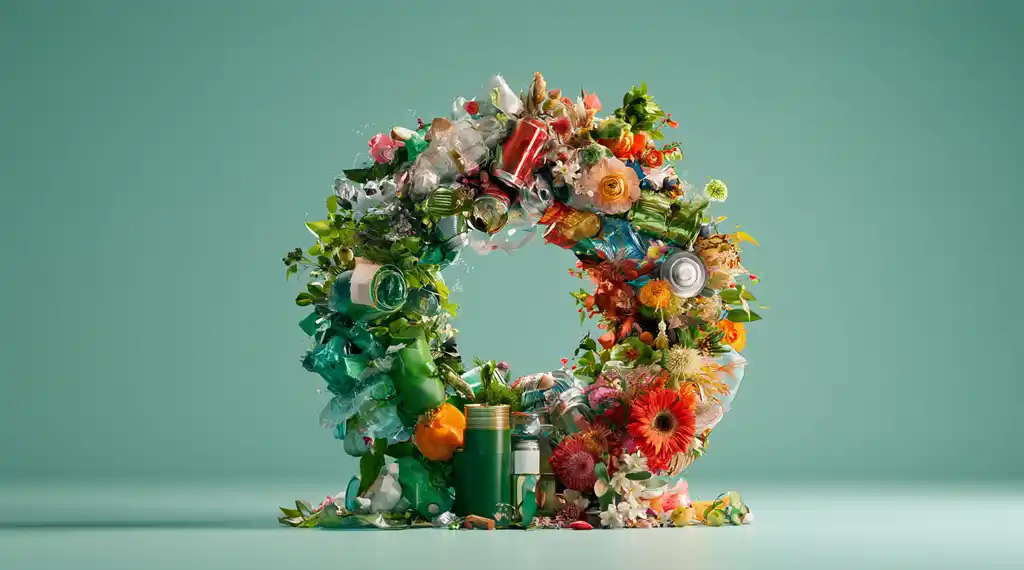
Resource management focuses on effectively reducing the amount of waste generated and reusing all available materials many times over. The shift to a circular economy model requires conscious and systematic action from every citizen and every public authority. Effective processing of raw materials significantly reduces the negative impact on the natural environment and protects valuable ecosystems from rapid and dangerous degradation. As a result, we can save energy and cut emissions of harmful substances into the air and groundwater.
The right approach to raw material recovery keeps their real value in the economy for much longer. Modern, clean technologies make these processes more efficient and fully safe for the surroundings. It is important to work with experts such as Wastes Service Group, who guarantee a reliable approach to waste management. Such activities save a significant amount of natural resources, which are currently overexploited by humanity.
Lower demand for new raw materials translates directly into lower production costs for many different and necessary goods. Processing used products usually requires much less energy than extracting and pre-processing primary materials. Limiting the exploitation of natural deposits helps maintain the biological balance in areas exposed to intensive industrial activity. Society benefits from cleaner air and much better living conditions in urban areas.
The biggest problem is still insufficient awareness of how to correctly sort everyday items in many households. Many people still do not know how to properly dispose of common waste such as used electrical and electronic equipment. We need to remember that:
Recycling electronics makes it possible to recover valuable raw materials and reduce the extraction of new ones. Many people also cannot tell different types of plastics apart, which makes their later processing more difficult. Below is a list of the most important steps that help sort waste effectively in every home.
Another important aspect is modernising the infrastructure used to recover materials of high technical and functional quality. Countries must continuously develop systems that genuinely promote an ecological approach to designing new packaging. Designers should take ease of disassembly and the reuse of parts into account already at the product planning stage. Such a comprehensive approach makes it possible to close the raw material loop within a modern economic system.
Shaping the right attitudes among the youngest is the basis for long-term changes in how we perceive the natural world around us. Children who learn from an early age to respect objects grow up to be responsible and conscious consumers. Knowing how things are made helps people understand the need to repair them instead of constantly buying new ones. Education in this area should include both theory and practical classes on waste sorting.
Caring for a clean planet together builds strong social ties and a sense of responsibility for our common good. Local initiatives to clean up forests and rivers engage residents and show the real scale of pollution. Every small step towards reducing consumption is of great importance for the global state of the environment.