
As digitalisation advances and consumption of electronic equipment grows, so does the problem of electronic waste. In 2025, business obligations relating to WEEE (waste electrical and electronic equipment) will be regulated in even more detail, and failing to meet them can lead to heavy sanctions. Find out who the rules apply to, what the consequences of not registering in BDO are, how to avoid the WEEE product fee and how to recycle WEEE in line with the law.
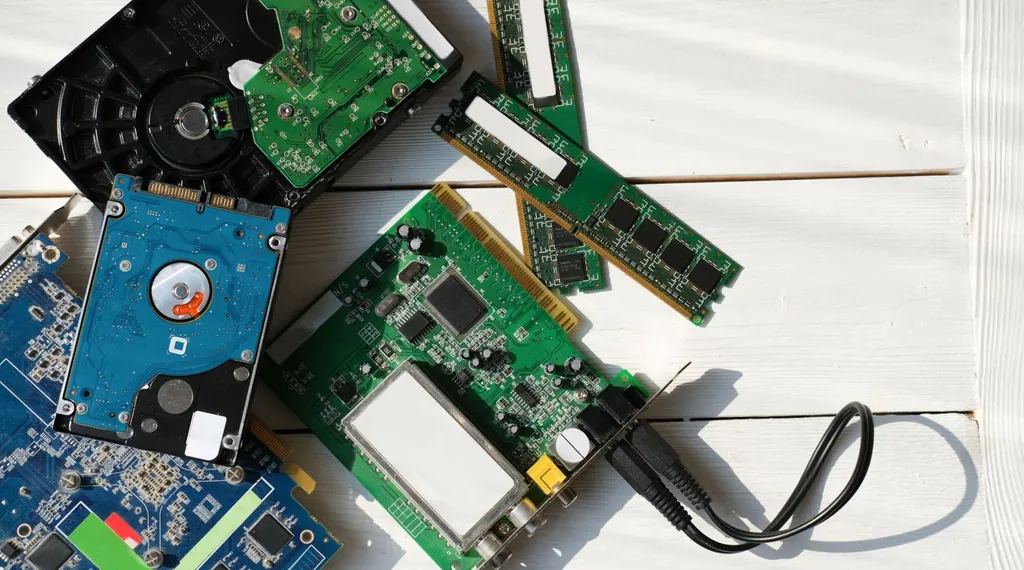
E-waste is any used equipment that runs on electric current or electromagnetic fields and is intended for disposal. It ranges from large appliances (fridges, washing machines, PV panels) to small devices (smartphones, laptops, printers, chargers). Importantly, placing these products on the market, even on a small scale, comes with legal obligations under the WEEE system. For many companies, e-waste is therefore becoming a real operational issue. This applies to showrooms, online shops, repair services and component importers, among others. WEEE obligations do not depend on company size, because what counts is the fact of placing equipment on the market. Ignoring the rules can result not only in fines but also in reputational damage, which increasingly influences business partners' decisions. You can learn more about responsible e-waste management on the Wastes Service website.
A producer (in Polish law, the entity “placing equipment on the market”) is any business that places an electrical or electronic product on the Polish market for the first time, including through e-commerce. In practice, even a foreign company running an online shop may be subject to WEEE obligations if it delivers to Poland. These obligations include:
For companies that want to reduce the risk of errors and legal uncertainty, a good solution is to work with a compliance scheme (producer responsibility organisation). One example is Wastes Service, which you can read more about on our About us page. A partner like this takes over most of the formal obligations and ensures compliance with current regulations.
BDO, the Polish waste database, is a supervisory tool but also an important source of data on how much WEEE is placed on the market and processed in Poland. Businesses must document the weight of equipment in detail and report what happened to used equipment, that is whether it was recycled or disposed of.
Amendments to the law introduce additional obligations, such as reporting the material composition of equipment or dismantling efficiency indicators. Companies that do not reach the required collection rates (for example 65% of the weight of equipment placed on the market) risk having to pay a product fee. Managing reporting can be particularly difficult for small and medium-sized businesses. That is why more and more companies use outsourced services, such as those included in the Wastes Service offer. This makes it possible to use comprehensive BDO services and to outsource record-keeping and monitoring of e-waste collection rates.
The amount of the product fee depends on the shortfall between the weight of equipment collected and the weight placed on the market. It is calculated as a set percentage of the unit value of the equipment and can reach tens of thousands of zlotys a year, especially for large producers. To avoid this fee, a company must:
Working with a company experienced in environmental compliance not only helps avoid penalties but also optimises the cost of the whole process.
A compliance scheme acts as the business's representative: it acts on its behalf in BDO, carries out collection and recycling obligations and keeps the documentation. It often also offers training, advice and internal audits, which is especially valuable during inspections by the Chief Inspectorate of Environmental Protection (GIOŚ). For micro and small businesses it is a convenient solution that lets them focus on operations without worrying about complex environmental obligations. Compliance schemes also ensure transparent cooperation and compliance with rapidly changing EU and national regulations.
E-waste recycling not only meets legal requirements but is becoming an important part of CSR and ESG strategies. Environmentally responsible companies build a competitive advantage, attract conscious customers and meet the expectations of international partners. Technically, WEEE recycling includes material sorting, dismantling, removal of hazardous components (such as mercury, cadmium and batteries) and then recycling of metals, plastics and glass. Proper processing of e-waste reduces CO₂ emissions and limits the use of natural resources. Electronic equipment should therefore be disposed of by licensed treatment facilities that work with compliance schemes.
In summary, meeting WEEE obligations in 2025 is not only a legal requirement but also part of a company's environmental responsibility. Working with a trusted partner makes it possible not only to comply with regulations but also to build a positive image and minimise risks. A well-planned WEEE system is an investment in an ecological, safe and lawful future.