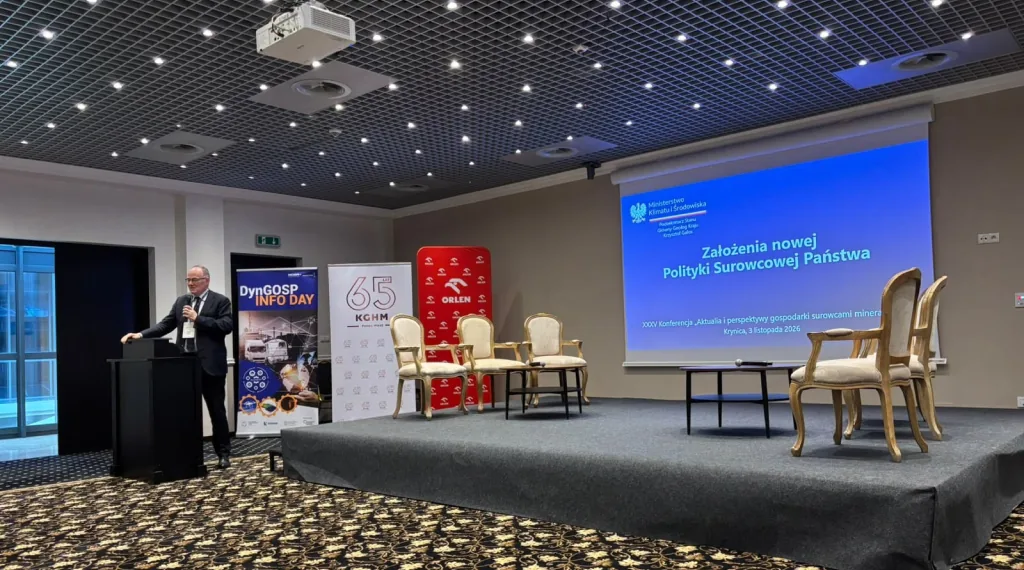
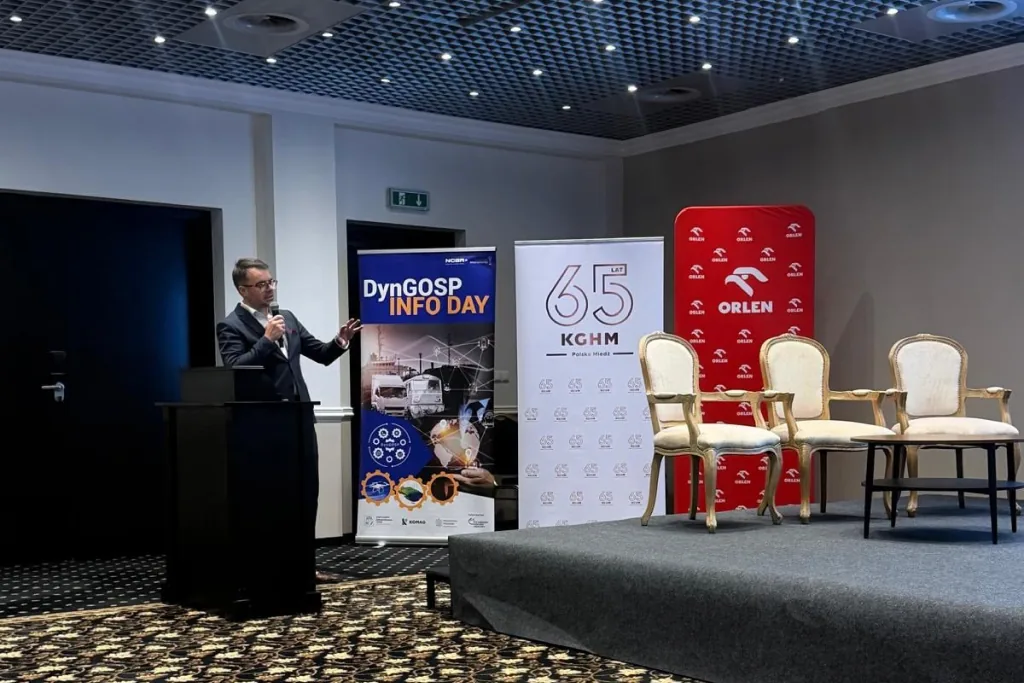
From 3 to 5 November 2026, the Czarny Potok Hotel in Krynica-Zdrój hosted the 35th conference “Current Issues and Prospects of Mineral Raw Materials Management” (Aktualia i perspektywy gospodarki surowcami mineralnymi), organised by the Mineral and Energy Economy Research Institute of the Polish Academy of Sciences (IGSMiE PAN). Wastes Service Group and Green Recovery Organizacja Odzysku were sponsors of the event.
The opening sessions were dominated by two topics: Poland's new State Raw Materials Policy, presented by Chief National Geologist Prof. Krzysztof Galos (Ministry of Climate and Environment), and the challenges of implementing the EU Critical Raw Materials Act (CRMA). We would like to thank the organisers from IGSMiE PAN, led by Alicja Kot-Niewiadomska, for creating a space for substantive dialogue between science, public administration and industry.
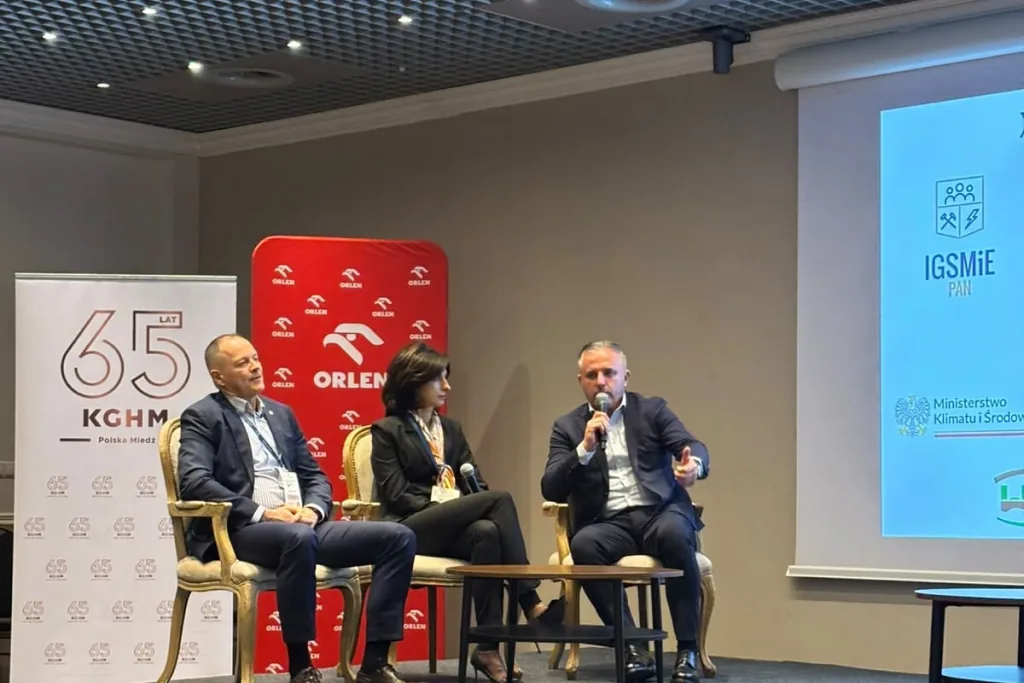
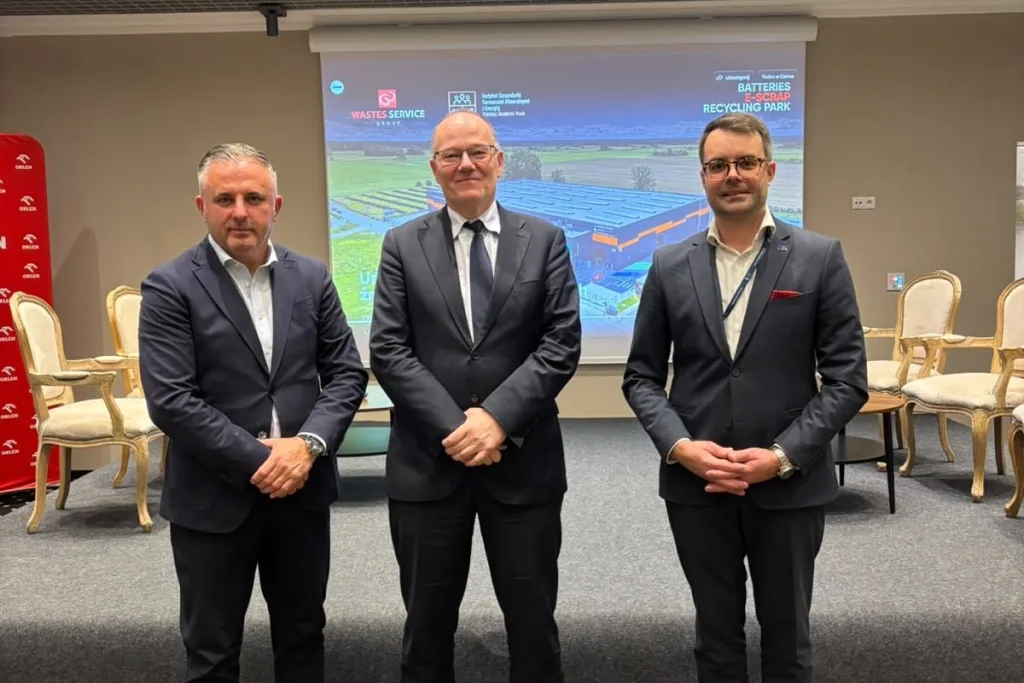
For us, the highlight of the programme was the discussion on recovering critical raw materials from waste, moderated by Deputy Minister Krzysztof Galos. The panellists were:
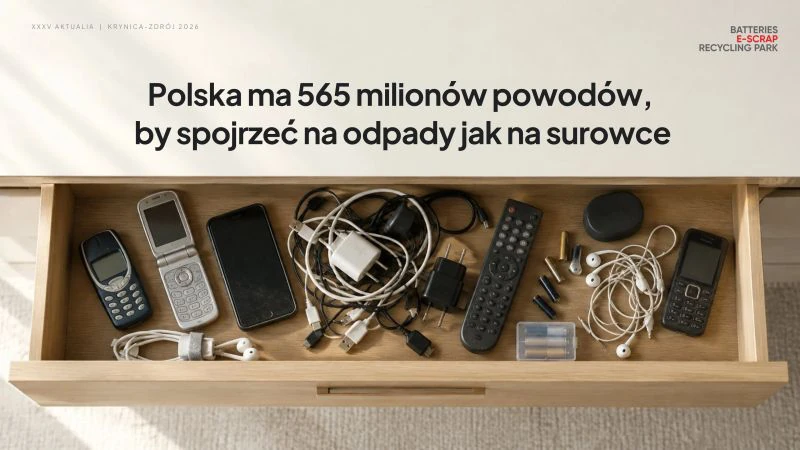
On the first day of the conference, Filip Gabryelewicz, Chief Business Development Officer at Wastes Service Group, gave a presentation based on a survey conducted by SW Research for OLX (April 2025):
For comparison, according to Eurostat, around 606,000 tonnes of waste electrical and electronic equipment were collected in Poland in 2024. A huge share of potential raw materials never reaches e-waste recycling and instead sits in drawers, basements and garages. Yet every phone, laptop and charger contains copper, aluminium, precious metals and critical raw materials that Europe increasingly needs. New deposits are not always underground, but first they have to be taken out of the drawer.
The discussions in Krynica showed that raw material recovery from secondary sources is one of the pillars of raw materials security for Poland and Europe. This requires efficient administration, predictable law and investment in domestic processing capacity. We are glad that, as sponsors, we could take an active part in this conversation. If you would like to discuss battery or e-waste recycling for your company, get in touch with us.
9/11/26
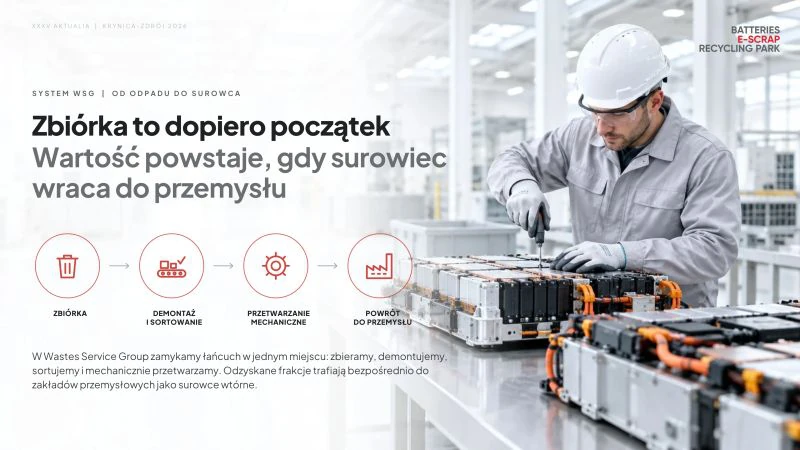
Wastes Service Group and Green Recovery sponsored the 35th Aktualia conference in Krynica-Zdrój. Our recap of the panel on critical raw materials from secondary sources and of a talk on 565 million unused devices.

9/11/26
The European Commission has assessed the recycling efficiency and material recovery targets in Battery Regulation 2023/1542 and found them appropriate. See which thresholds apply until 2031.
9/11/26
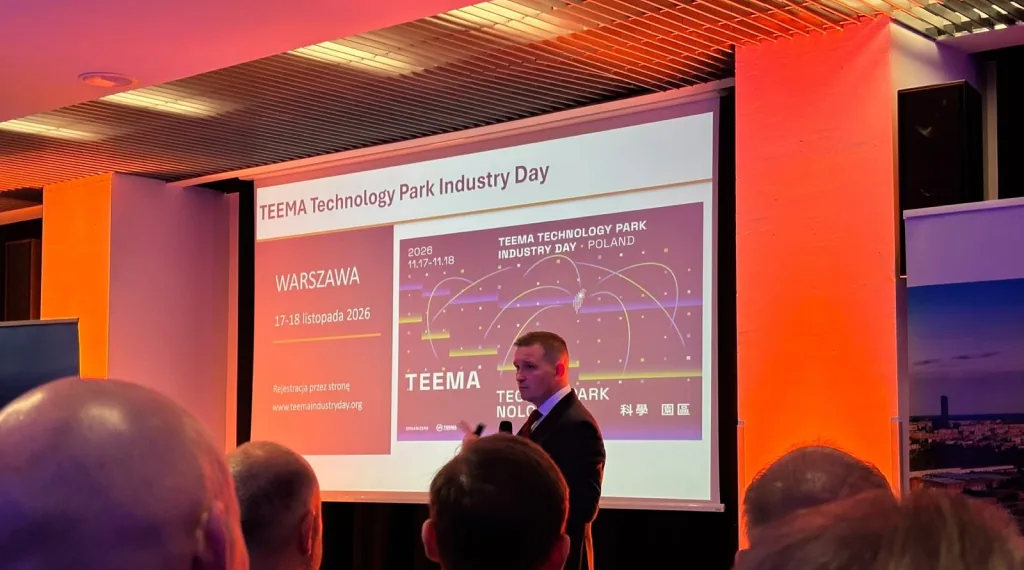
Wastes Service Group took part in the meeting “Lower Silesia - Taiwan. Building an ecosystem of economic cooperation” in Wrocław. Topics included the TEEMA Technology Park in Miękinia and opportunities for SMEs.