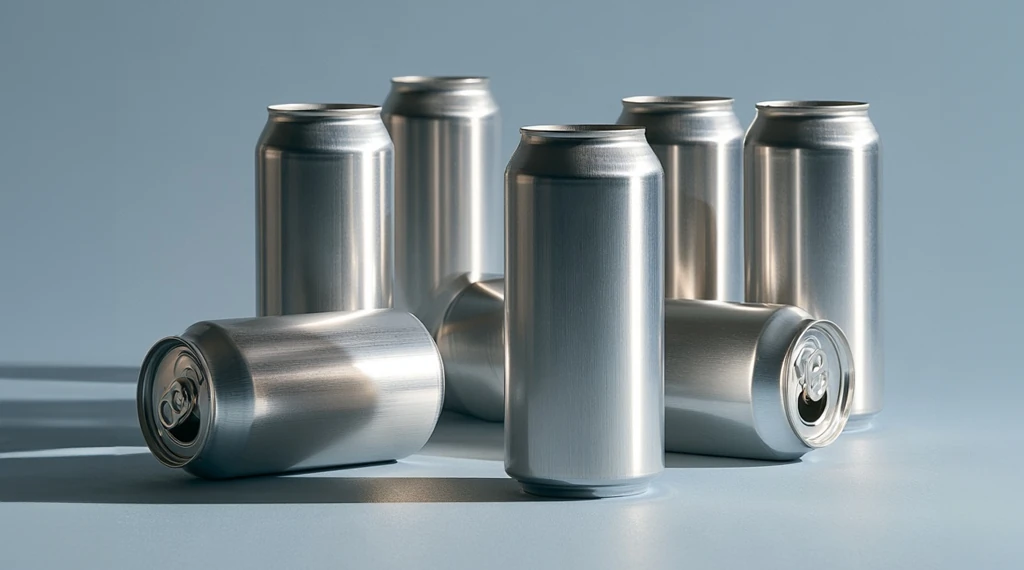
Once placed in the right bin, an aluminium can may return to the store shelf as new packaging in about 60 days. It is one of the fastest and most efficient closed material loops in the packaging industry.
According to European Aluminium and Metal Packaging Europe, the recycling rate of aluminium beverage cans in Europe reached 76.3% in 2023. In Poland, according to Metal Packaging Europe, the rate was 79% in 2021. Since October 2025, Poland has operated a deposit return system that covers, among others, metal cans of up to 1 litre. The Ministry of Climate and Environment indicates collection targets for packaging in the system of 77% from 2025 and 90% from 2029.
The example of the can shows that effective recycling requires efficient collection, precise sorting and modern processing technologies. At Wastes Service Group, we apply the same principles to raw material recovery, including non-ferrous metals, from e-waste and waste batteries. Want to know more? Contact us.
9/11/26
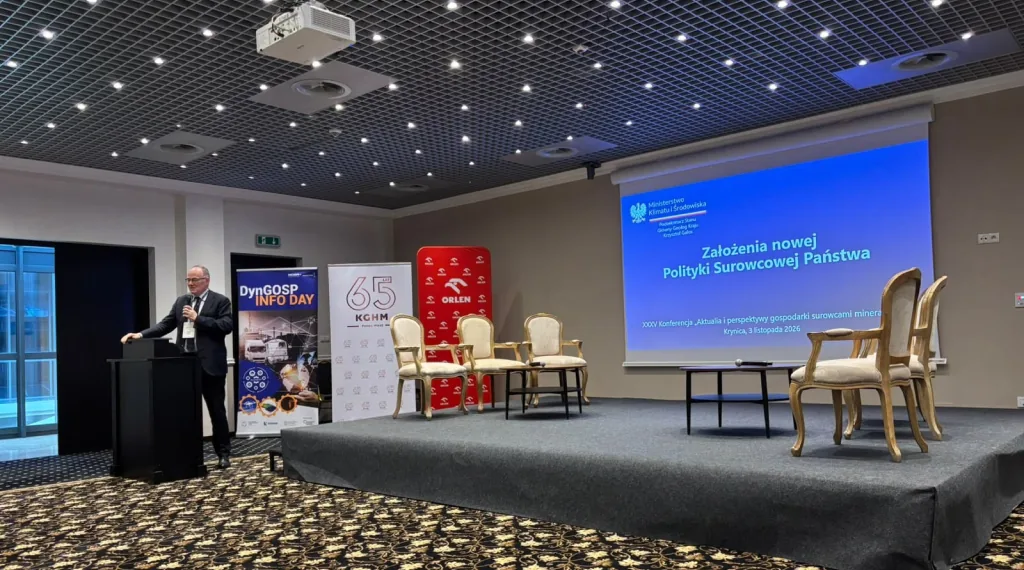
Wastes Service Group and Green Recovery sponsored the 35th Aktualia conference in Krynica-Zdrój. Our recap of the panel on critical raw materials from secondary sources and of a talk on 565 million unused devices.

9/11/26
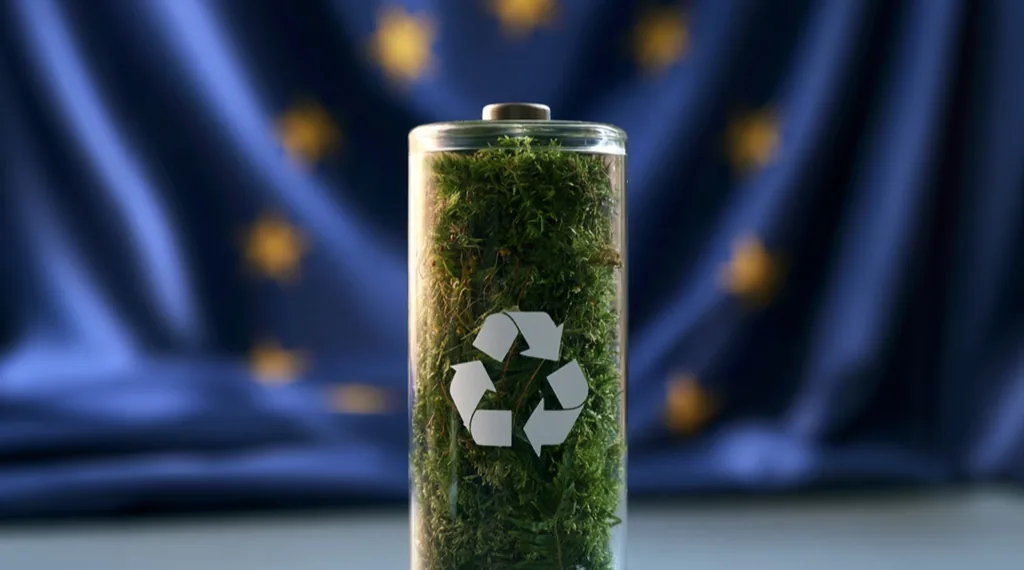
The European Commission has assessed the recycling efficiency and material recovery targets in Battery Regulation 2023/1542 and found them appropriate. See which thresholds apply until 2031.
9/11/26
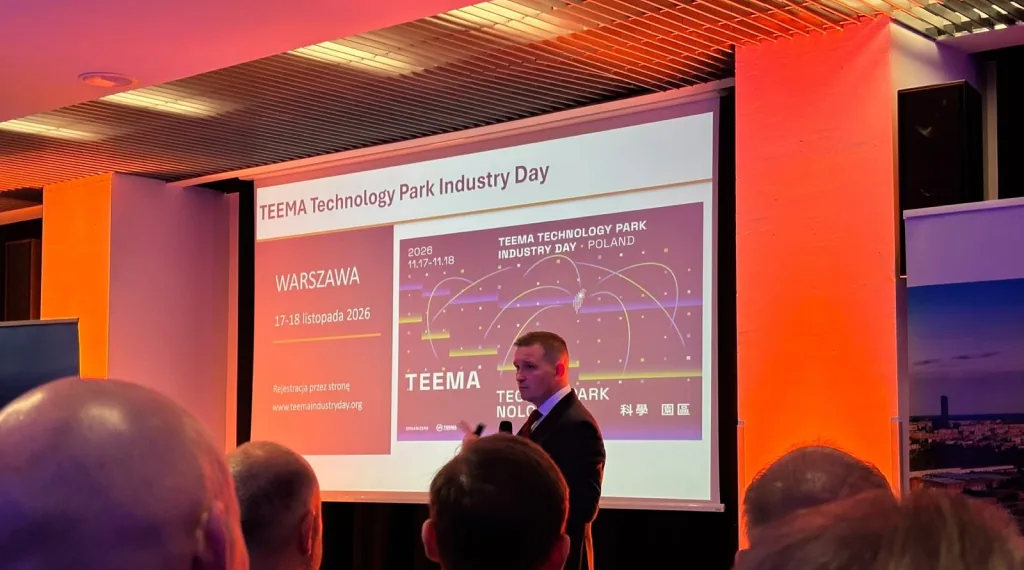
Wastes Service Group took part in the meeting “Lower Silesia - Taiwan. Building an ecosystem of economic cooperation” in Wrocław. Topics included the TEEMA Technology Park in Miękinia and opportunities for SMEs.