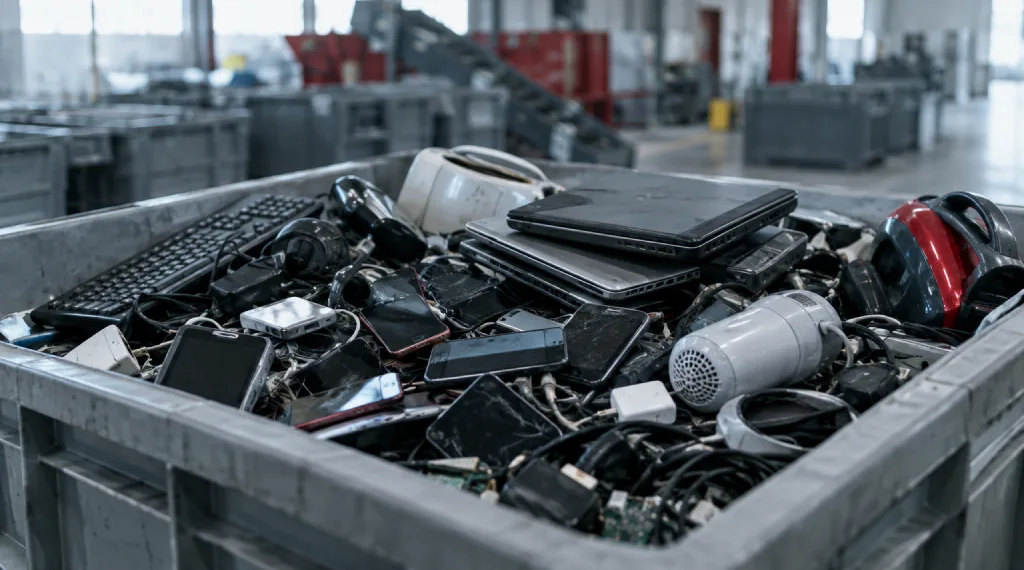
Electronics are piling up faster than we collect them. The latest Eurostat data, published on 14 October 2026, show that in 2024, 32.4 kg of electrical and electronic equipment per inhabitant was placed on the EU market, while only 12.3 kg of waste equipment (WEEE) was collected.
In 2015, 18.1 kg of equipment per inhabitant was placed on the EU market and 7.3 kg of e-waste was collected. The amount of equipment placed on the market has therefore grown by 79%, and the amount collected by around 68%. Collection is rising, but above all the gap between what we buy and what goes to recycling is widening.
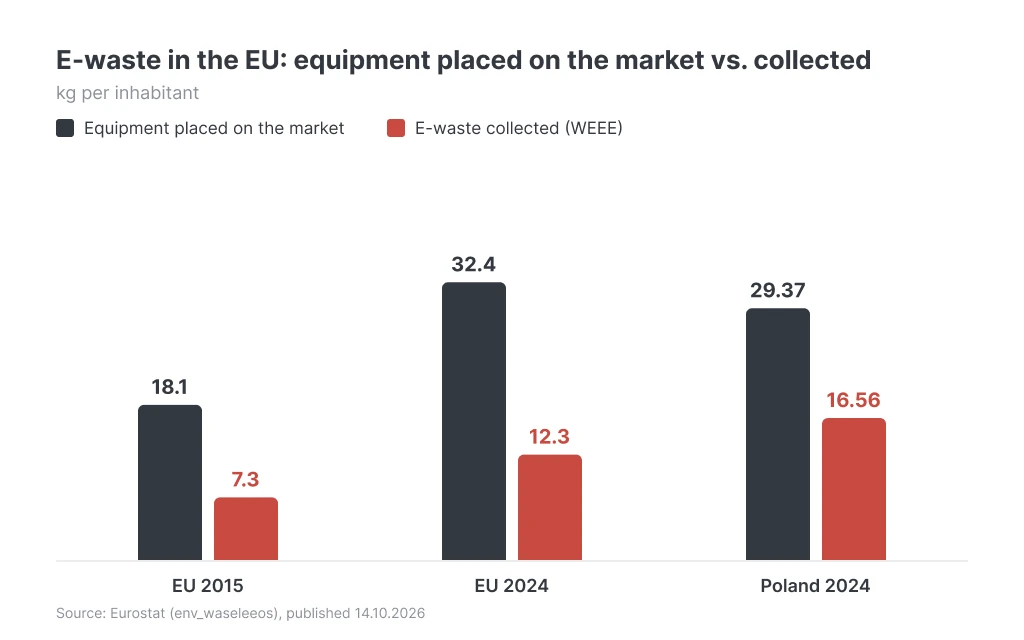
According to Eurostat, Poland collected 16.56 kg of WEEE per inhabitant in 2024, or around 606,000 tonnes, with 29.37 kg of equipment per inhabitant placed on the market. This is well above the EU average.
The WEEE Directive requires Member States to collect at least 65% of the average weight of equipment placed on the market in the three preceding years, or 85% of the WEEE generated. Eurostat data indicate that Poland meets the second of these options, while collection across the EU as a whole remains far from the target.
Every phone, laptop or charger that is not collected means lost raw materials: copper, aluminium, precious metals and critical raw materials. Wastes Service Group specialises in e-waste recycling and raw material recovery. If your company needs a partner to manage waste equipment, contact us.
9/11/26
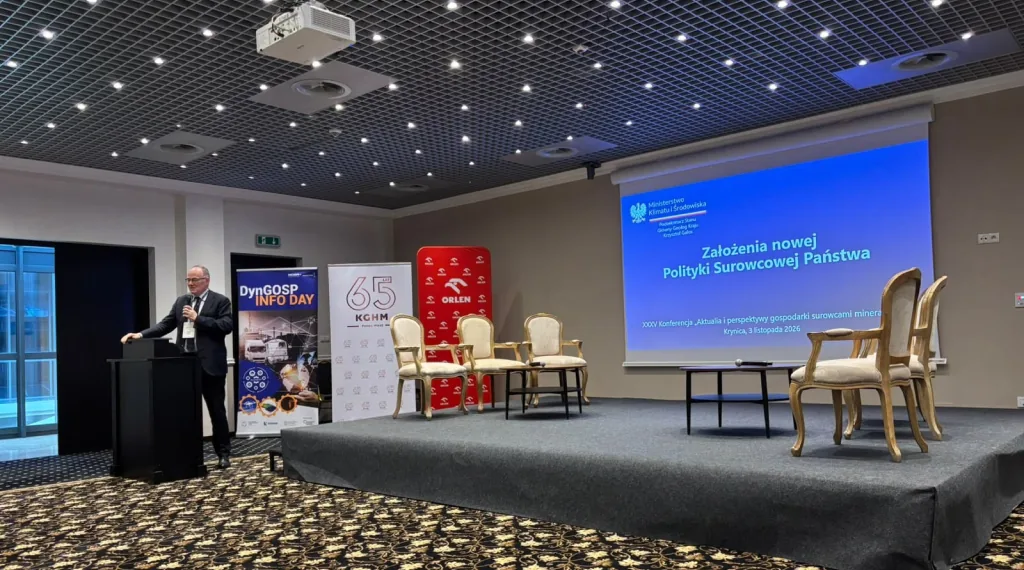
Wastes Service Group and Green Recovery sponsored the 35th Aktualia conference in Krynica-Zdrój. Our recap of the panel on critical raw materials from secondary sources and of a talk on 565 million unused devices.

9/11/26
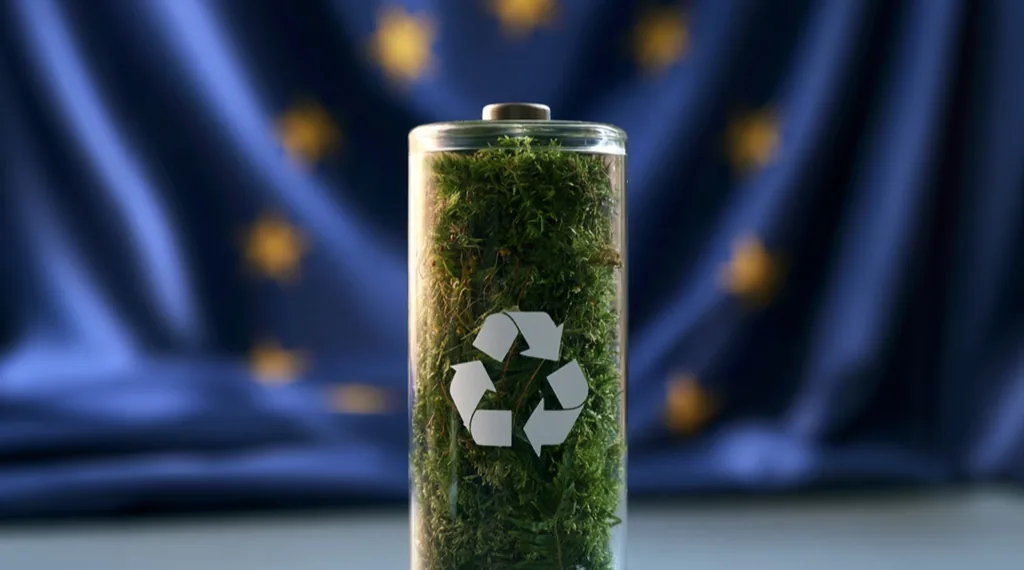
The European Commission has assessed the recycling efficiency and material recovery targets in Battery Regulation 2023/1542 and found them appropriate. See which thresholds apply until 2031.
9/11/26
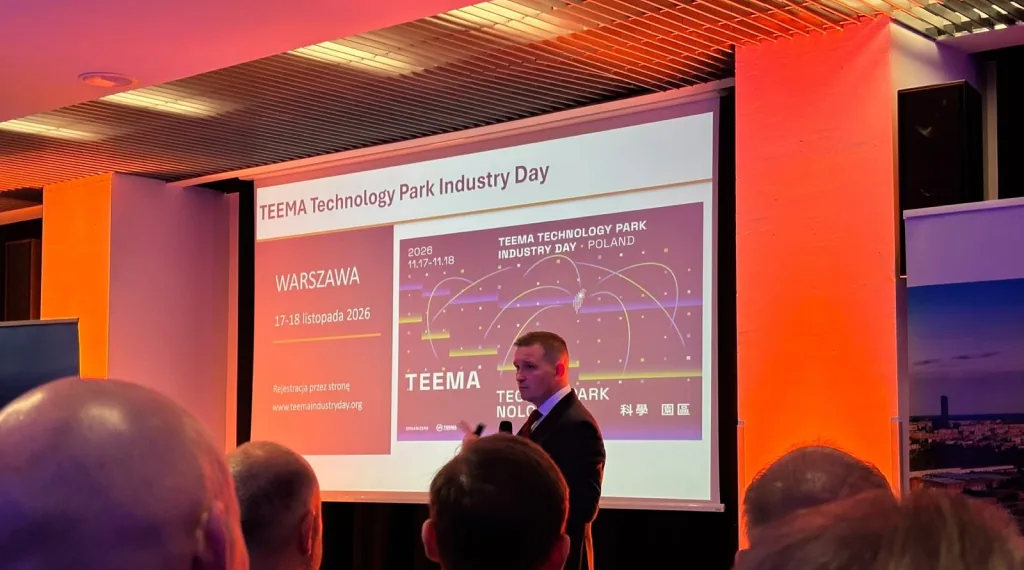
Wastes Service Group took part in the meeting “Lower Silesia - Taiwan. Building an ecosystem of economic cooperation” in Wrocław. Topics included the TEEMA Technology Park in Miękinia and opportunities for SMEs.