
The year 2025 could prove to be a symbolic moment for the European automotive industry. In December, sales of electric cars in the European market exceeded sales of combustion cars for the first time. This is a clear signal that the transformation of drives is no longer a forecast and is becoming a market fact.
Changes are also evident in Poland. The latest edition of the New Mobility Barometer 2026 report shows that electric cars are no longer a niche alternative and are increasingly becoming a viable choice for consumers and businesses.
The past year brought a clear acceleration in the number of registrations of new electric cars in Poland. The end of the year in particular showed that the share of zero-emission cars in sales is steadily increasing. This is a signal of the maturation of the market and the growing acceptance of technology.
Although interest in electromobility is growing, purchasing decisions are still largely determined by the budget. The largest group of buyers is looking for vehicles in a certain, moderate price range. At the same time, many drivers declare their willingness to pay a surcharge on a diesel car if they receive lower operating costs and environmental benefits in return.
Economics thus remains the foundation of decisions, but it is increasingly accompanied by an awareness of long-term savings.
The way the vehicle is perceived is also changing. For a growing group of users, a car is not just a means of transportation, but an advanced technological device. Expectations for manufacturers today include remote software updates, feature development over time, and integration with the user's digital ecosystem.
The car is supposed to act like a smartphone — to update, develop and adapt to the needs of the owner.
However, the sales success of electromobility has a hard limit: access to charging infrastructure. The ability to charge at home or in the workplace remains one of the key factors influencing the decision to buy an electric car. Without a stable and accessible infrastructure, the growth momentum can slow down.
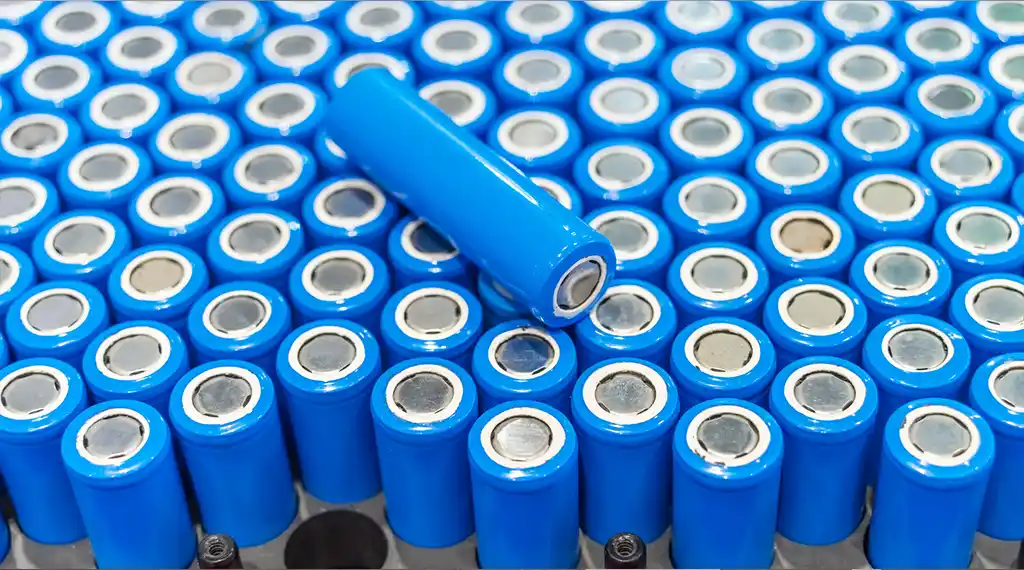
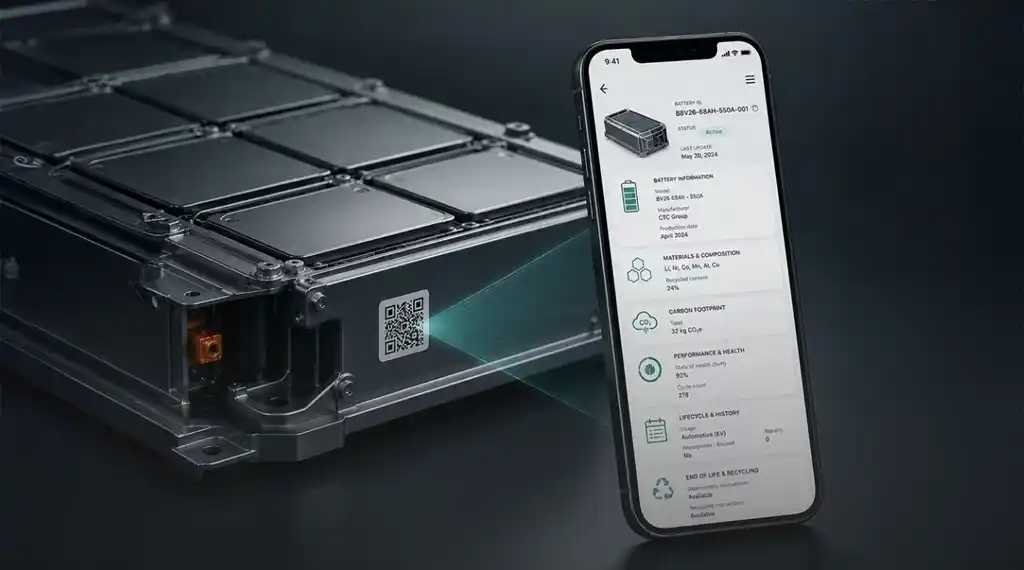
At Wastes Service Group, we observe these changes not only from the perspective of the automotive market, but also from the perspective of resource management. Every increase in the number of electric vehicles means a greater flow of batteries in the future requiring safe management, recycling and recovery of raw materials.
Electromobility is not just about selling new cars. It is also responsible for the entire life cycle of the product — from production, through use, to the processing stage.
The Polish EV market is no longer a market for experiments. Customers expect predictability, stable regulations, reasonable prices and developed infrastructure. Companies are increasingly analyzing fleet electrification not as an image element, but as a strategic business decision.
The pace of change is clear. The question is no longer whether electromobility will grow, but how quickly and whether the infrastructure and recycling system will keep up with this transformation.
24/9/26
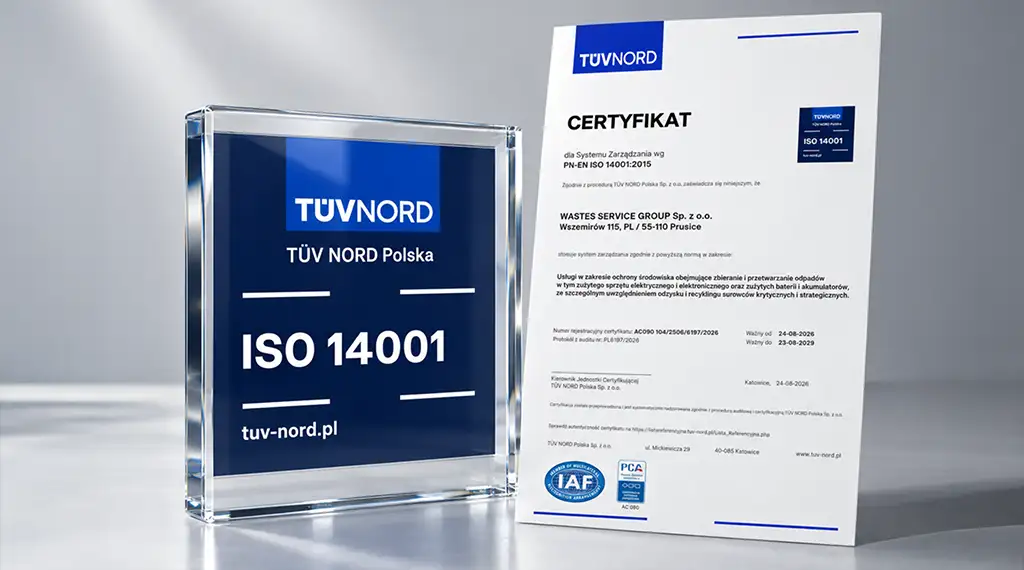
Wastes Service Group has officially achieved the PN-EN ISO 14001:2015 certification awarded by TÜV NORD Polska.