
This is not a simple “ID card” of a product, but a comprehensive data system that covers production, use and recycling. In practice, this means greater transparency, new responsibilities for companies and concrete advantages for those who implement this solution early.
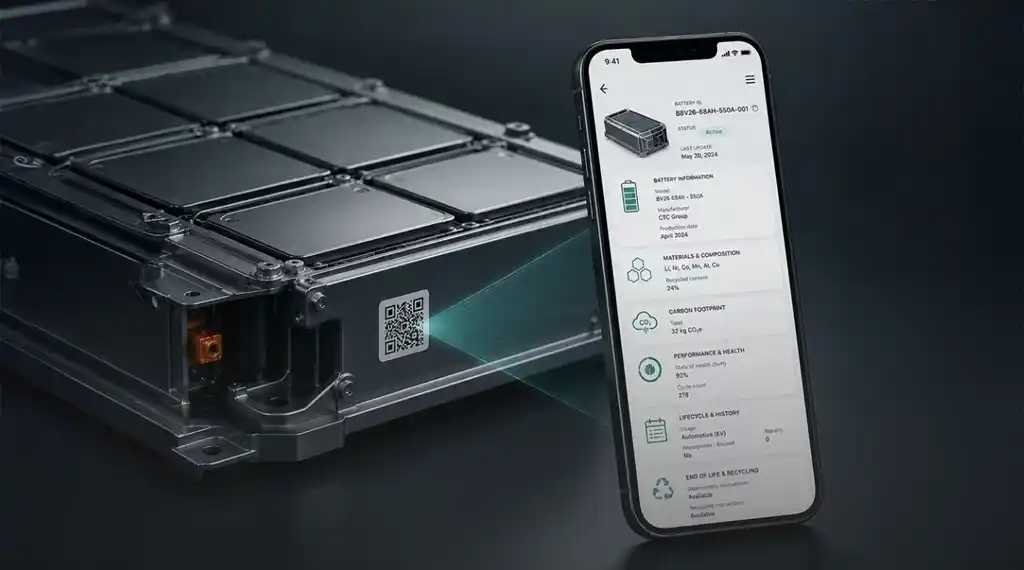
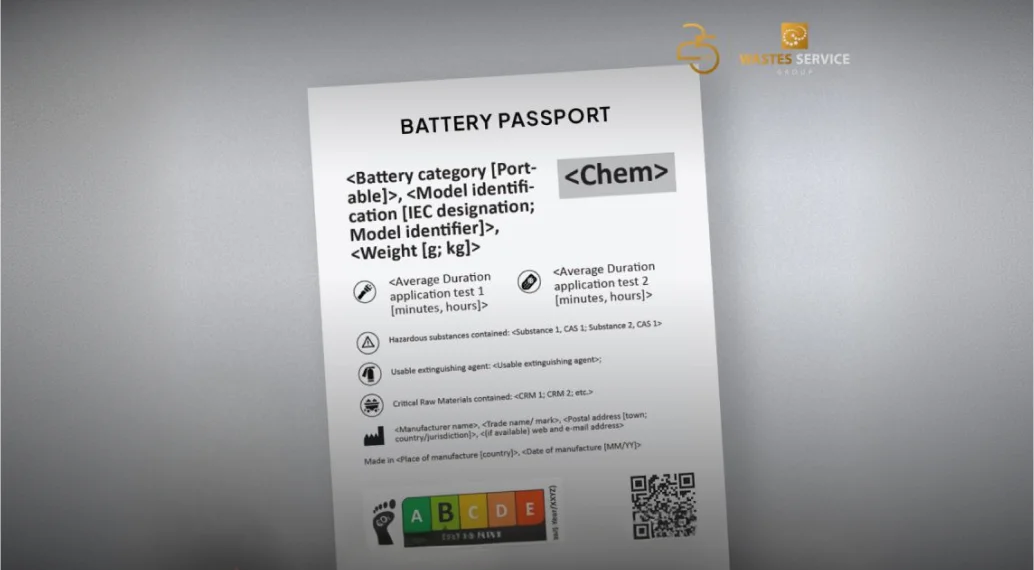
A battery digital passport is a standardized set of data assigned to a specific battery, available in digital form, most often via a QR code. It provides detailed information on the entire life cycle of the product. The passport contains information such as the material composition of the battery, the carbon footprint, the operating parameters, the history of use and the data needed for reuse and recycling. This solution is the cornerstone of the circular economy and is intended to enable more conscious management of resources.
The obligation to implement the digital battery passport includes batteries for electric vehicles, industrial batteries above 2 kWh and LMT batteries used in bicycles and electric scooters. In the following years, the scope of regulation may expand, so the preparation already gives a real advantage.
Implementing a passport means putting your data in order and having more control over your product. The manufacturer gains a complete, standardized database of component and emissions information, easier reporting in compliance with regulations and the ability to compare production batches. It is also a concrete tool to build a competitive advantage in the area of ESG and prove the real value of the product.
From the user's point of view, it is above all about greater transparency and security. The ability to check the origin of the battery, its quality, parameters and history of use allows you to make better purchasing decisions. This is of particular importance when buying used devices, where until now it has been difficult to verify the state of the battery.
The digital passport of the battery significantly improves the processes of recovery of raw materials. The recycler receives accurate information about the chemical composition, weight and design of the battery. In addition, data on the conditions of use, safety of dismantling and the possibility of evaluating the profitability of recycling even before the physical acceptance of the battery is available. This translates into greater efficiency and better process planning.
The battery passport will also include detailed technical data available only to authorized entities such as service centers or recycling companies. This will include information on cathode, anode and electrolyte composition, cell joining techniques, disassembly sequences, required tools, and safety procedures. This is a key element for the development of a second battery life and efficient recycling.
For many companies, the new regulations will be seen as an obligation. In practice, however, they can become a real tool for building market advantage. Companies that organize data earlier, implement data aggregation systems, and integrate reporting processes will be able to respond faster to changes and better communicate their value.
The first step is to map the data that the company already has and the data that it will need to collect. It is worth checking whether information about the material composition is available, whether the carbon footprint of the products is measured, whether there is a history of use and whether the systems are ready to integrate this data. The first platforms supporting the creation of digital battery passports are already appearing on the market, which significantly facilitates the implementation.
The digital passport of the battery is not only a regulatory change, but a real transformation of the entire market. This means greater transparency, better business decisions and a step towards a circular economy. For companies operating in this area, it is the last moment to use the new requirements as an advantage and not just an obligation.
24/9/26
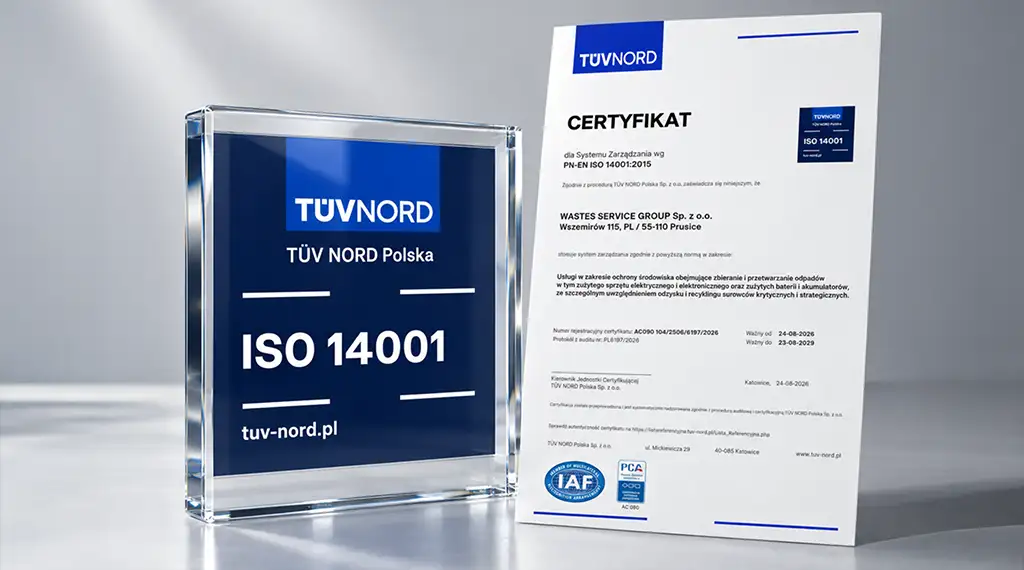
Wastes Service Group has officially achieved the PN-EN ISO 14001:2015 certification awarded by TÜV NORD Polska.