
It is usually discussed as a consumer and repair-shop issue. For the waste and recycling sector, however, it marks a shift in how much electronic equipment reaches end of life, when, and in what condition.
Transposition is uneven across the EU. In Poland, for example, the implementing law was still under consultation in August 2026, with proposed fines of up to PLN 40,000 for repeat violations.
Extending product lifetimes does not make e-waste disappear. It changes its profile:
The right to repair is one piece of a wider framework. Together with extended producer responsibility, the EU Battery Regulation and the Critical Raw Materials Act, it is building a single system in which producers are accountable for a product from market placement to end of life. For waste management companies, that means new compliance requirements and a new economics of equipment and material flows.
Wastes Service Group provides WEEE and battery collection and recycling, helping producers and distributors meet their obligations in Poland and across the EU. Get in touch to prepare your business for the changes.
When does the EU right to repair apply?
Directive (EU) 2024/1799 entered into force on 30 July 2024. Member states had to transpose it by 31 July 2026.
Which products are covered?
Products including washing machines, dishwashers, tumble dryers, refrigeration appliances, vacuum cleaners, displays, servers, smartphones, tablets and LMT batteries.
Will the right to repair reduce e-waste?
Over time it may slow growth in e-waste volumes, but its main effect will be on the composition and timing of equipment entering collection and recycling.
12/10/26
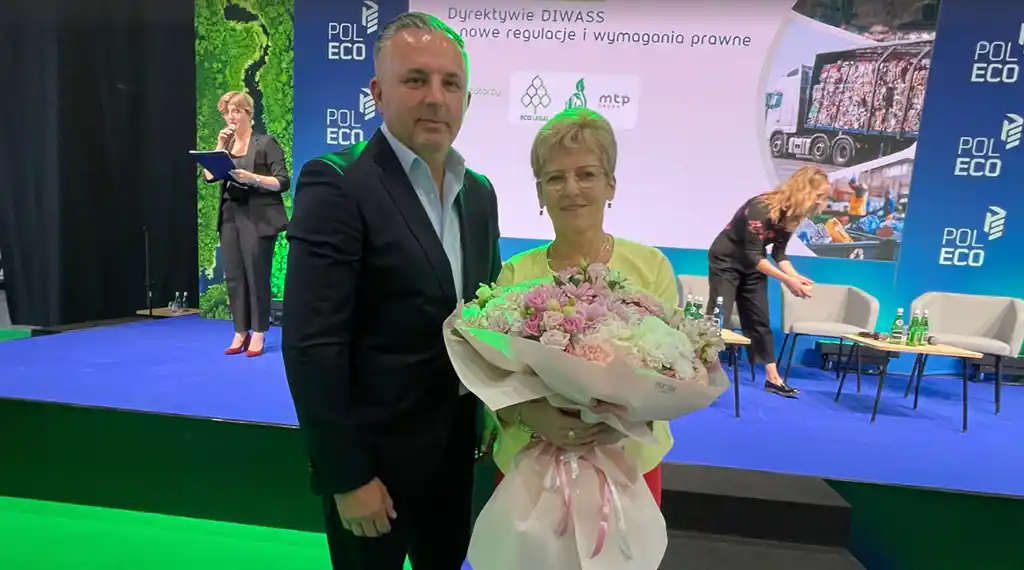
From 6 to 8 October 2026, the Wastes Service Group and Green Recovery teams attended POLECO in Poznań, one of Central and Eastern Europe's leading trade fairs for environmental protection and waste management.