10/10/2026

POLECO 2026: our takeaways on critical raw materials and producer responsibility

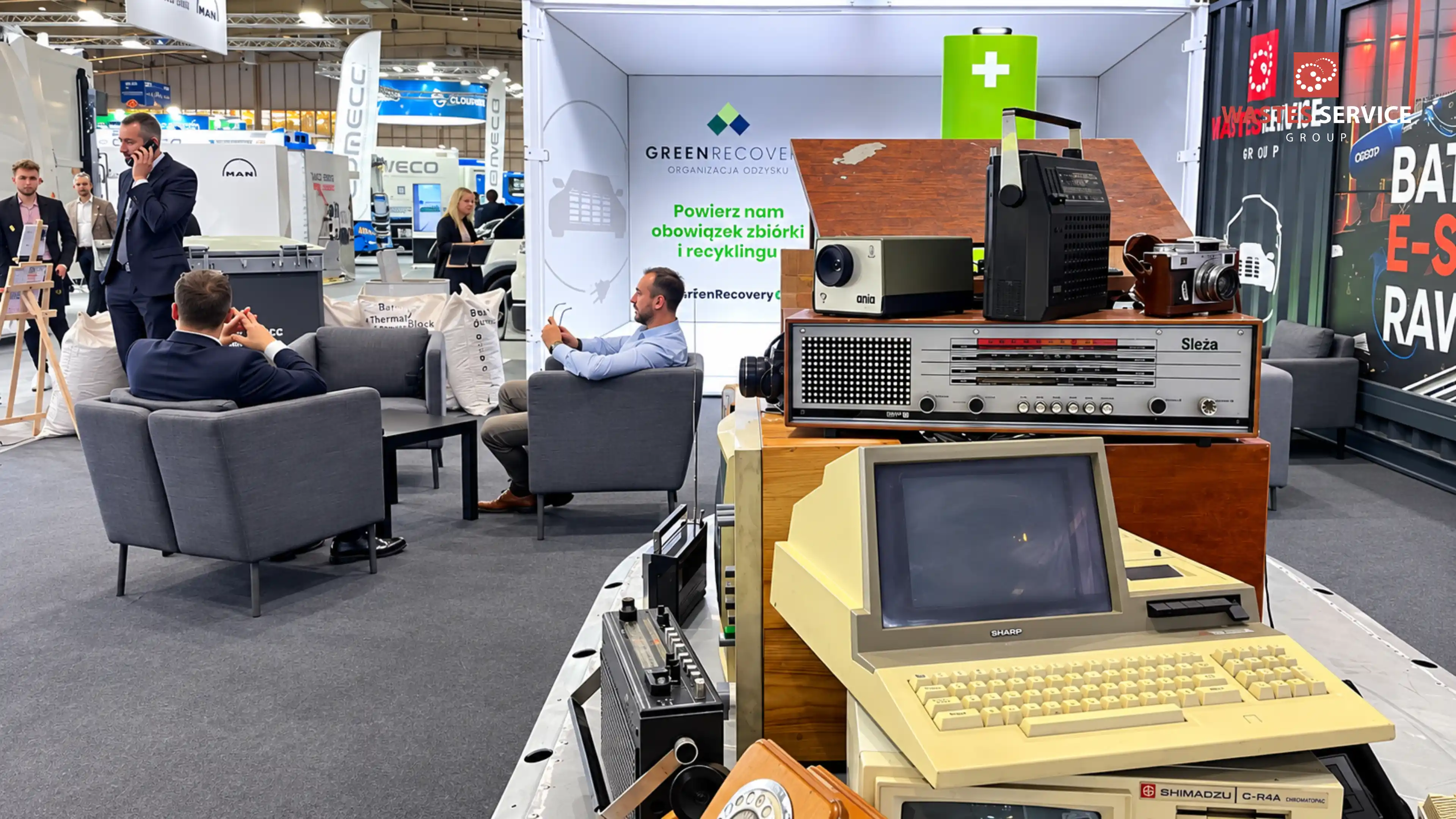
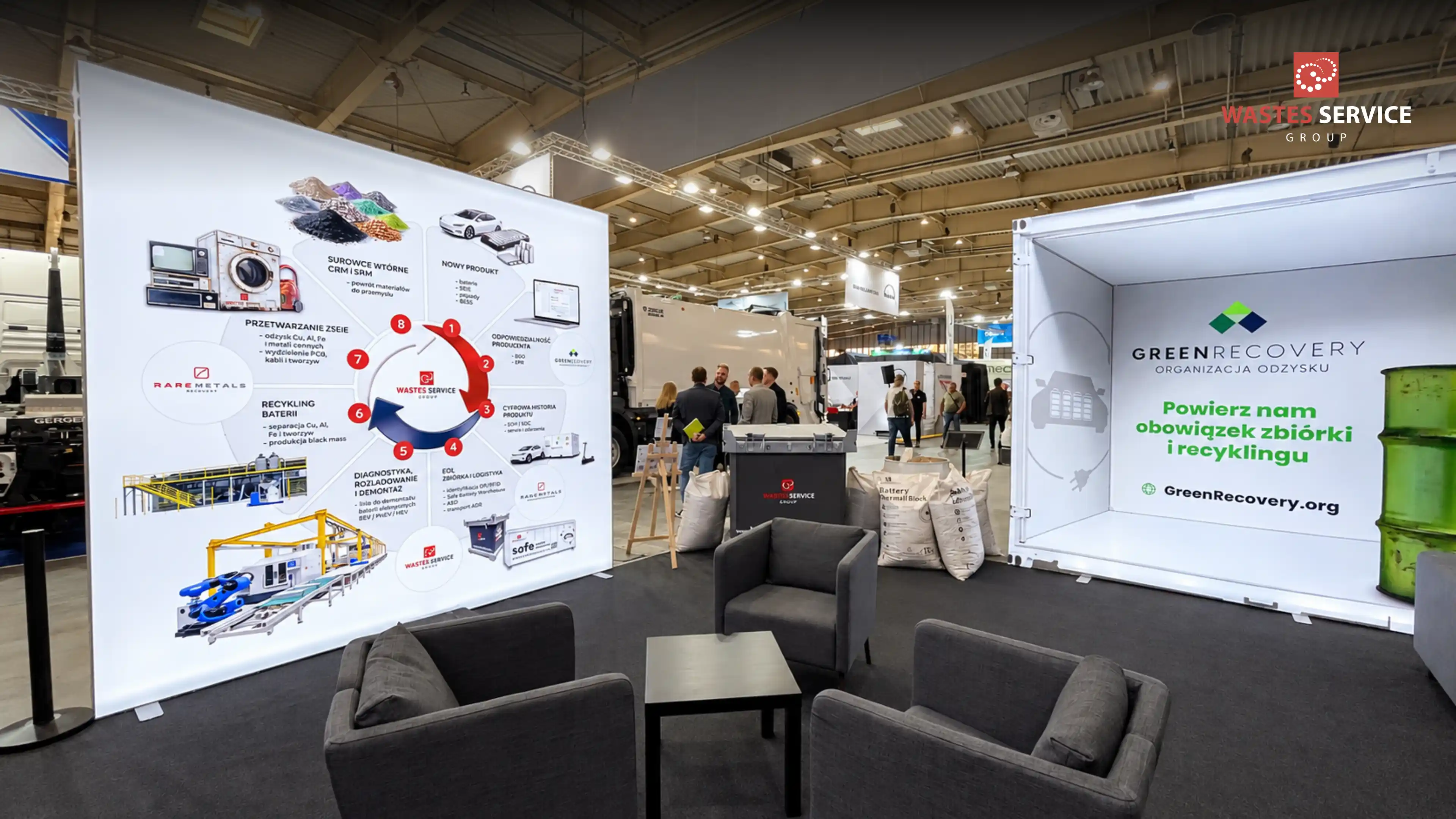
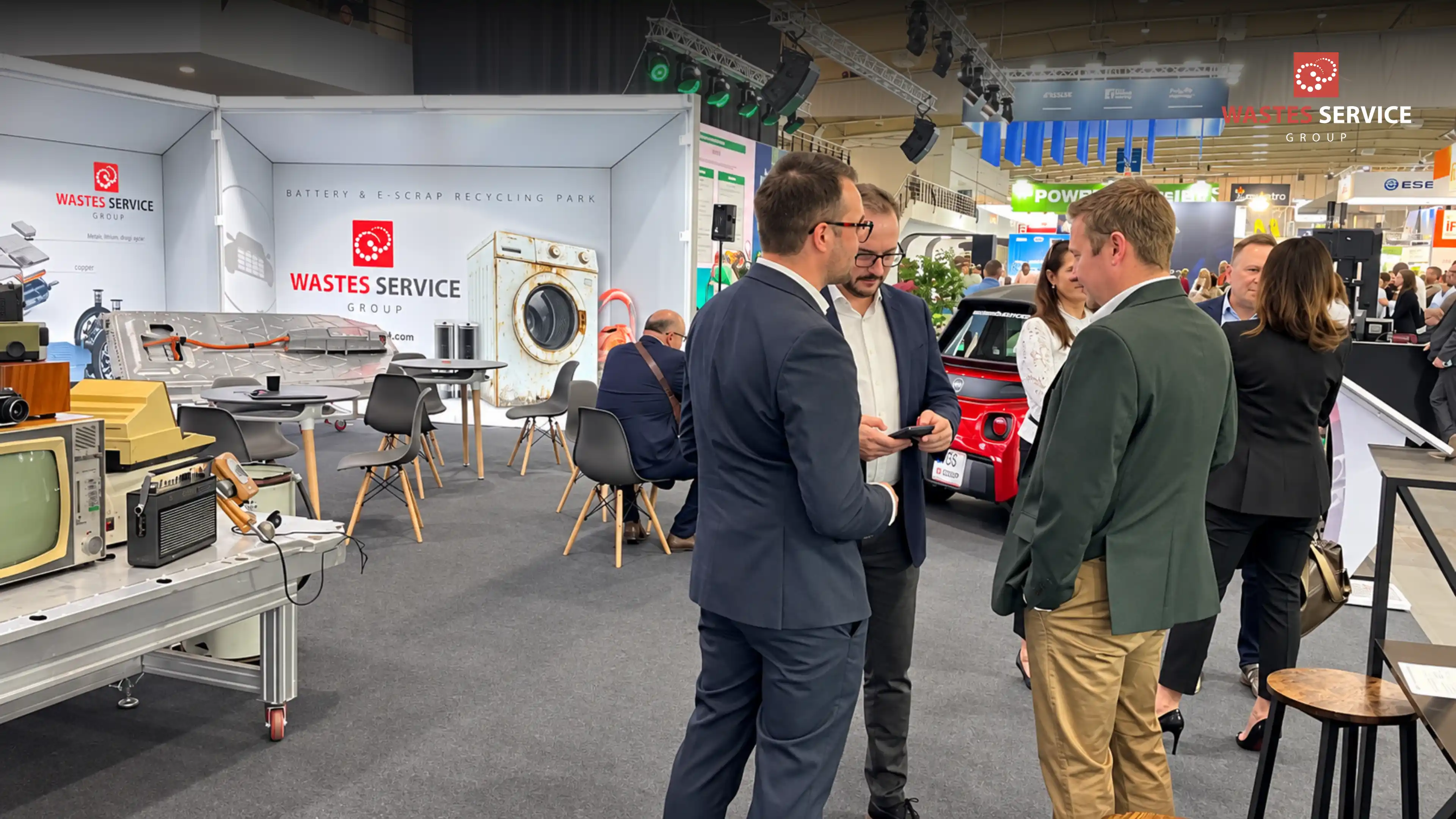
From 6 to 8 October 2026, the Wastes Service Group and Green Recovery teams attended POLECO in Poznań, one of Central and Eastern Europe's leading trade fairs for environmental protection and waste management.

This year's edition brought together more than 200 companies and brands from 14 countries. For us, it meant three days of meetings at our stand and two expert debates co-organised with the fair's organiser, Grupa MTP.

Debate 1: Is European industry ready to meet EU critical raw materials targets?

Right after the official opening, we hosted the fair's opening panel on the main stage, moderated by Filip Gabryelewicz, CBDO of Wastes Service Group. Speakers included Hanna Kończal, Chief Inspector of Environmental Protection; Maciej Białek, Director of the Waste Management Department at Poland's Ministry of Climate and Environment; Beata Wołczuk of the Ministry of Development and Technology; Prof. Piotr Młynarz of Wrocław University of Science and Technology; and Robert Makieła, CEO of Wastes Service Group.

Key takeaways

  • Industrial scale is the real test. Our group has already processed 7,800 tonnes of black mass. Yet Europe still lacks offtakers able to process black mass and graphite hydrometallurgically at industrial scale, meaning dozens of tonnes per day rather than lab volumes. An EU export ban on black mass before that capacity exists would put serious strain on the market.
  • Speed of procedures matters. Waste batteries are a fire hazard and cannot sit in storage for months awaiting cross-border shipment decisions.
  • Digital oversight is coming. The EU's DIWASS system should improve oversight of waste shipments and allow an EU-level response to flows of strategic materials.
  • Regulation without market paralysis. Poland's new waste catalogue and correlation tables aim to keep permits flowing, while the national waste database (BDO) is being prepared for battery passport requirements.
  • Science and business together. Bridging the gap from lab to industry requires long-term partnerships, dedicated research centres and special-purpose companies.
    ‍

Debate 2: Product or waste? Where producer responsibility begins and ends

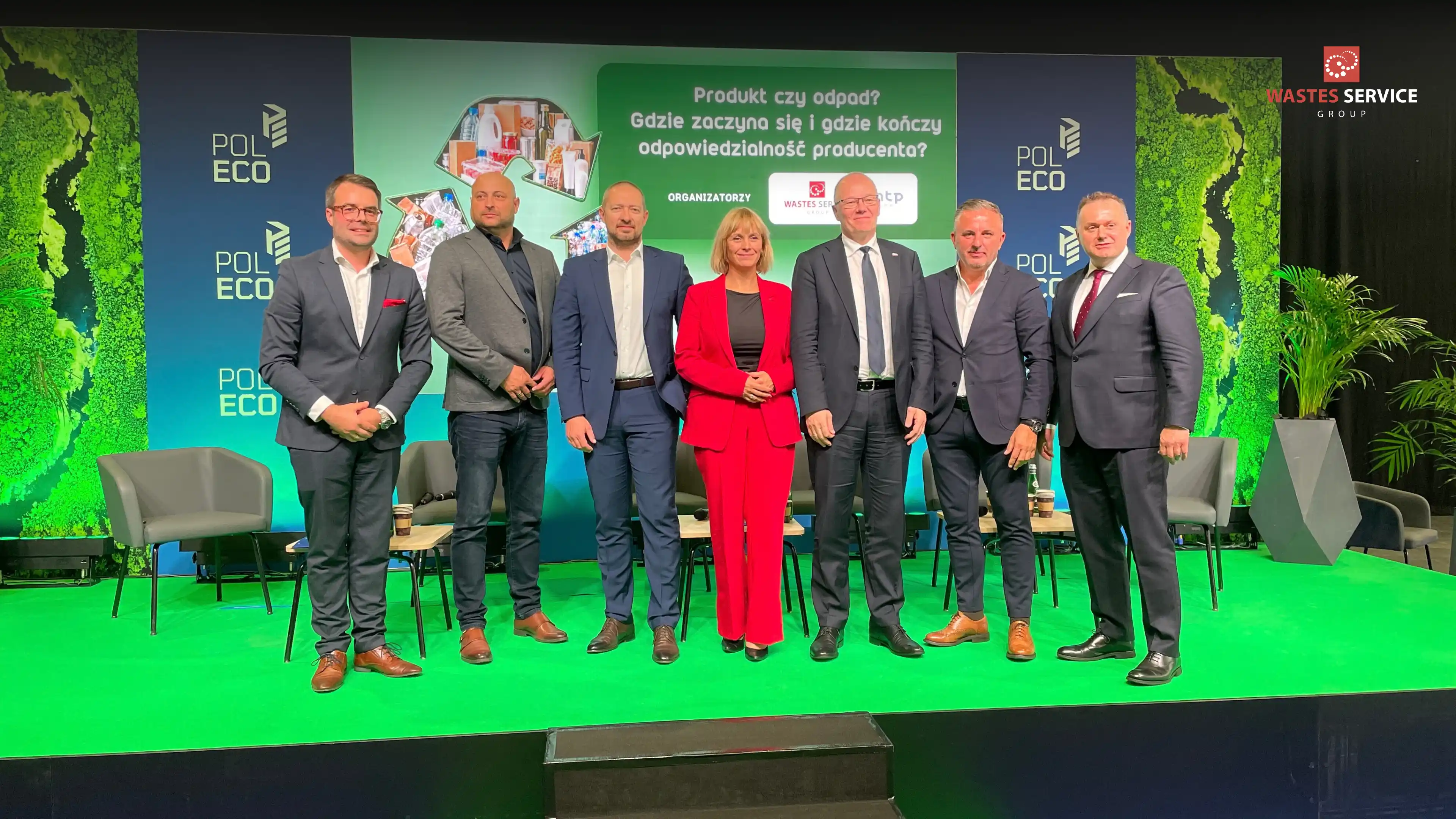
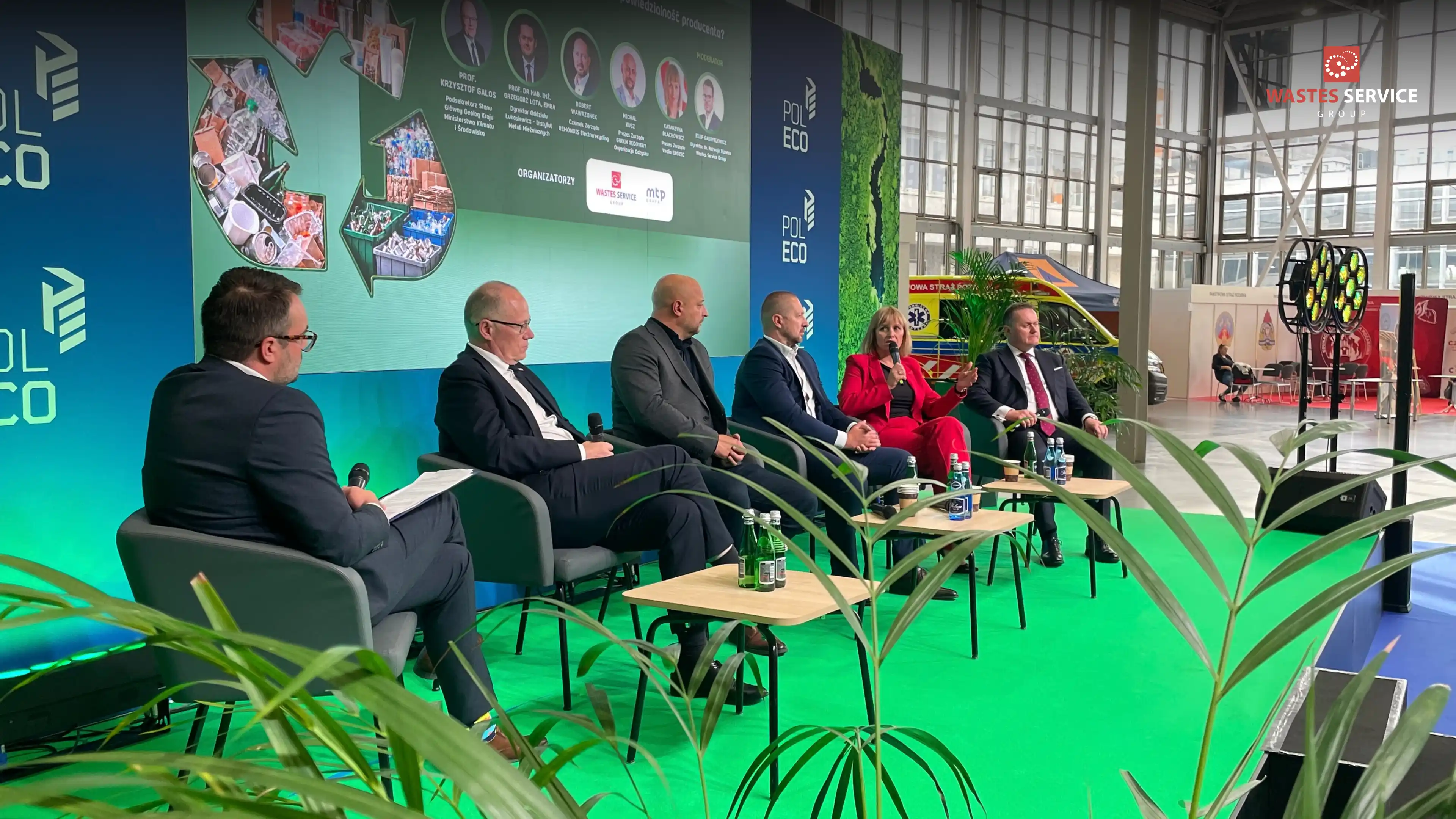
On day two, we co-hosted a debate on how extended producer responsibility (EPR) should work in practice and how to build demand for secondary raw materials. Panellists included Michał Kusz (Green Recovery), Dr Robert Wawrzonek (ELECTRO-SYSTEM), Prof. Krzysztof Galos (Chief National Geologist, Ministry of Climate and Environment), Prof. Grzegorz Lota (Łukasiewicz Institute of Non-Ferrous Metals), Katarzyna Błachowicz (CEO, Veolia EKOZEC) and Bartosz Lewandowski (Novago).
  • Incentives for ecodesign: wider uptake needs systemic incentives and relief for businesses.
  • Clear rules, level playing field: stable growth depends on transparent regulation and a transparent economic model.
  • Design decides: as Katarzyna Błachowicz pointed out, up to 80% of a product's end-of-life cost and recovery options are determined at the design stage.
  • Waste as a strategic resource: metal-bearing waste should be treated as an anthropogenic resource worth keeping in the EU.
  • Technology exists, regulation must follow: Europe has the technology but needs rules that support a domestic refining industry.
    ‍

Safe Battery Warehouse on display

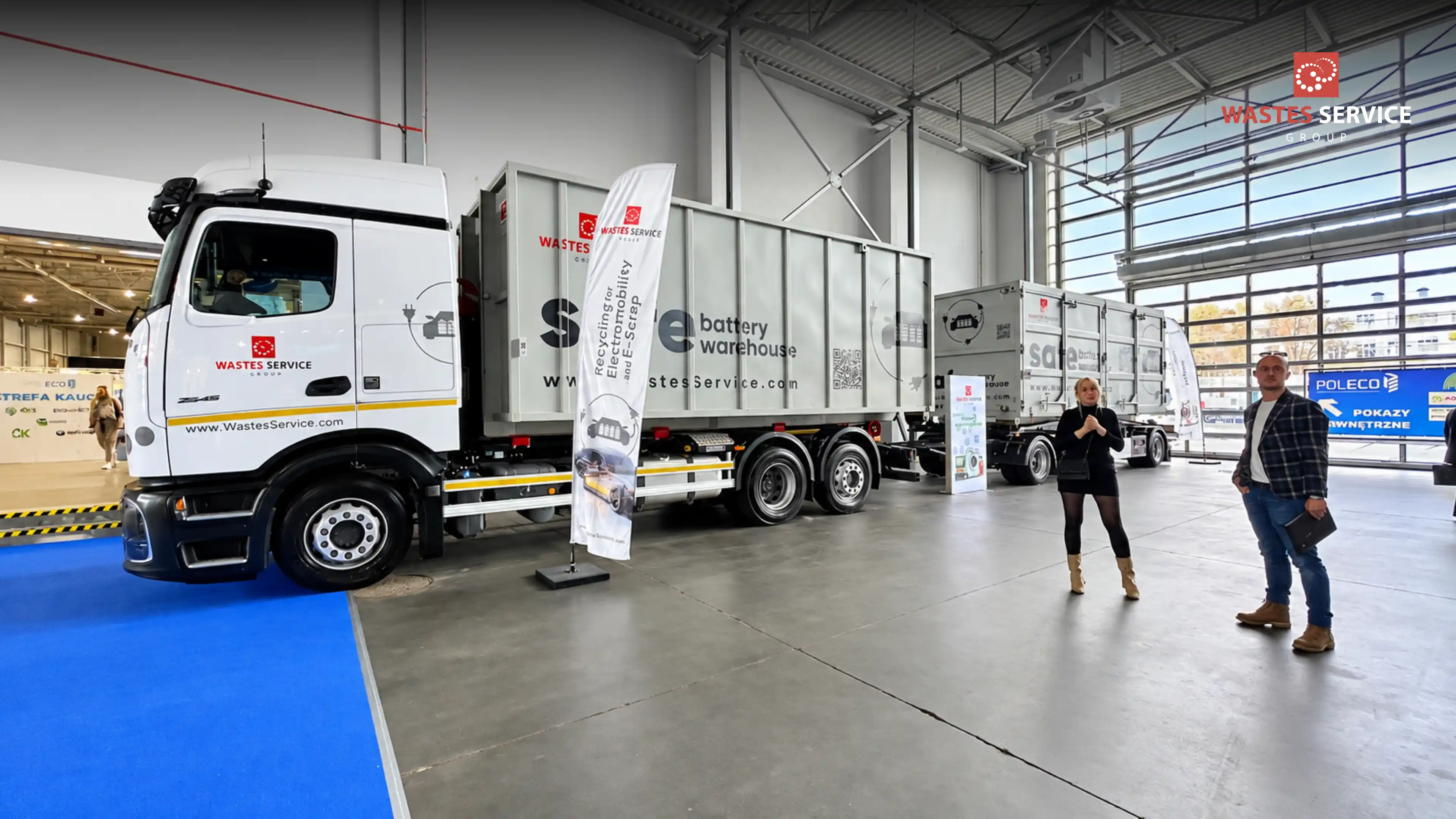
Between halls 5 and 5A, we presented Safe Battery Warehouse, our container system for the safe transport of EV traction batteries. It monitors the condition of the load in transit and is equipped to respond to fire risk.
Thank you

Thank you to all panellists, to Grupa MTP for the excellent cooperation, and to every partner and visitor who came to our stand. If we missed you in Poznań, get in touch.
Latest posts