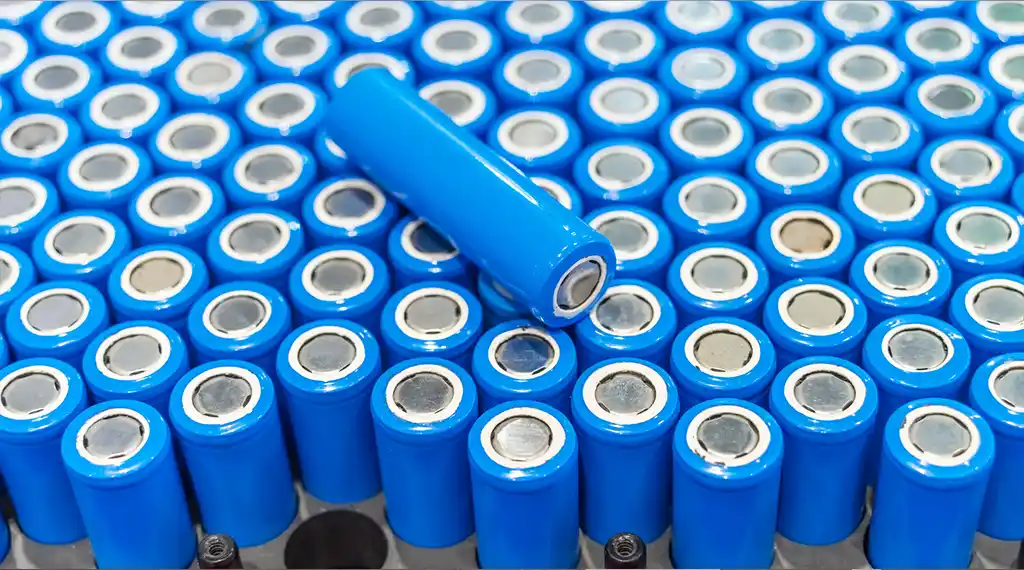

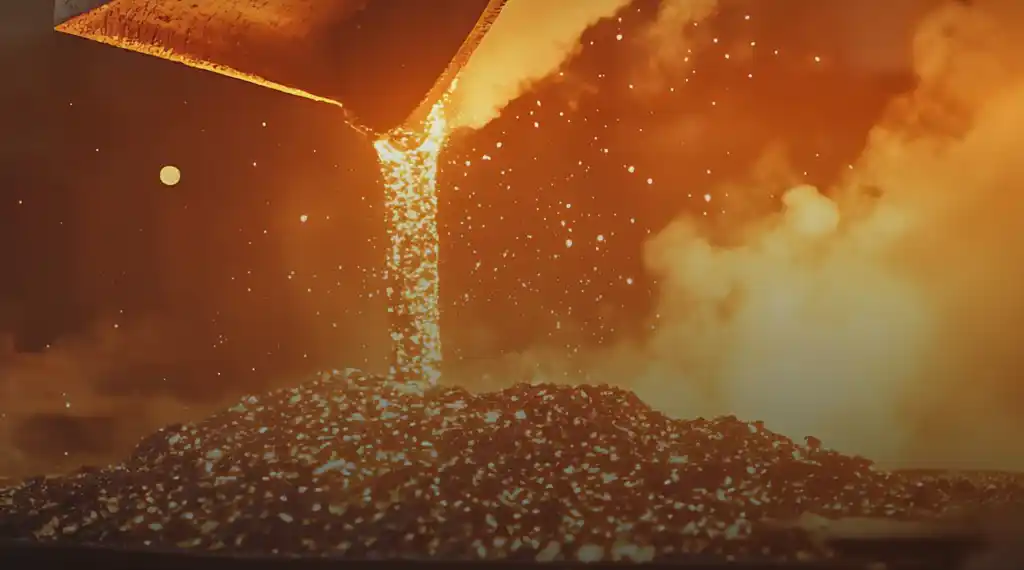
It remains the dominant route, especially for lead-acid batteries, and is widely used for lithium-ion too. Its weak point is lithium: in most smelting processes it ends up in the slag. With EU rules requiring 50% lithium recovery by the end of 2027, that gap is becoming hard to ignore.
Smelting recovers cobalt, nickel and copper efficiently as metal alloys. Lithium, aluminium and manganese, however, typically report to the slag, where recovering them economically is very difficult.
Regulation (EU) 2023/1542 sets minimum material recovery targets for waste batteries:
Smelting alone cannot meet the lithium targets. As a result, the industry is moving towards combined flowsheets: mechanical pre-treatment, hydrometallurgical refining and, increasingly, direct recycling.
Grand View Research expects hydrometallurgy to be the fastest-growing recycling method, at a 41.3% CAGR from 2026 to 2033, driven by regulation and by lithium's status as a strategic raw material.
At Wastes Service Group, we are actively researching battery recycling processes, including hydrometallurgical and direct recycling solutions, alongside our collection, transport and recycling services for spent batteries. Get in touch to discuss collaboration or recycling solutions.
What is the difference between pyrometallurgy and hydrometallurgy?
Pyrometallurgy recovers metals by high-temperature smelting; hydrometallurgy uses chemical leaching and selective separation in aqueous solutions. Hydrometallurgy can recover lithium; smelting largely cannot.
What is direct recycling?
A method that recovers and regenerates cathode material without breaking it down into individual elements, preserving its value and reducing energy use.
How much lithium must be recovered from batteries in the EU?
At least 50% by the end of 2027 and 80% by the end of 2031, under Regulation (EU) 2023/1542.
12/10/26
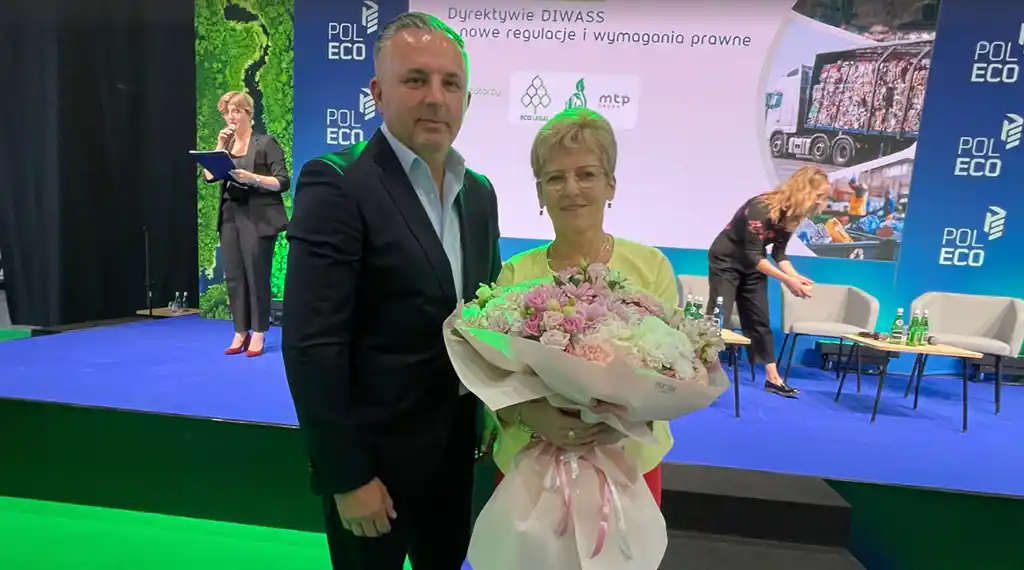
From 6 to 8 October 2026, the Wastes Service Group and Green Recovery teams attended POLECO in Poznań, one of Central and Eastern Europe's leading trade fairs for environmental protection and waste management.