
The new EU Battery Regulation redefines how Europe designs, circulates and processes batteries. It is a regulation that covers the entire life cycle of a product — from production and marketing, through use, to recycling and recovery of strategic raw materials.
For the market, this means moving from a reactive model to a system management of the battery as a resource. For Wastes Service Group, this is a natural direction of development that has defined our operational and investment activities for years.
The European Union strengthens the responsibility of those who market batteries. These responsibilities include, among others, the organization of the collection system, the financing of processing and ensuring compliance with reporting requirements.
At this stage, a key role is played by the Green Recovery Recovery Organization, which in the structure of WSG ensures the fulfillment of the statutory obligations of manufacturers and importers. It is also preparing the market for the requirements that should be transposed from the battery regulation to the new Polish law.
The new regulations promote Design for Recycling and Design for Circularity. This means designing batteries in a way that facilitates their disassembly, repair and material recovery.
Wastes Service Group offers:
• dismantling of traction batteries
• verification of the technical condition of the modules
• assessment of the possibility of safe reuse
If an element can be reused in a safe and economically justified way, it should receive a second life. This is a real implementation of the principles of the circular economy.
EU regulations require increasing transparency of the value chain and full control over the processing of used batteries.
Our dedicated line for the dismantling of traction batteries allows you to handle batteries from:
• BEV
• PHEW
• HEW
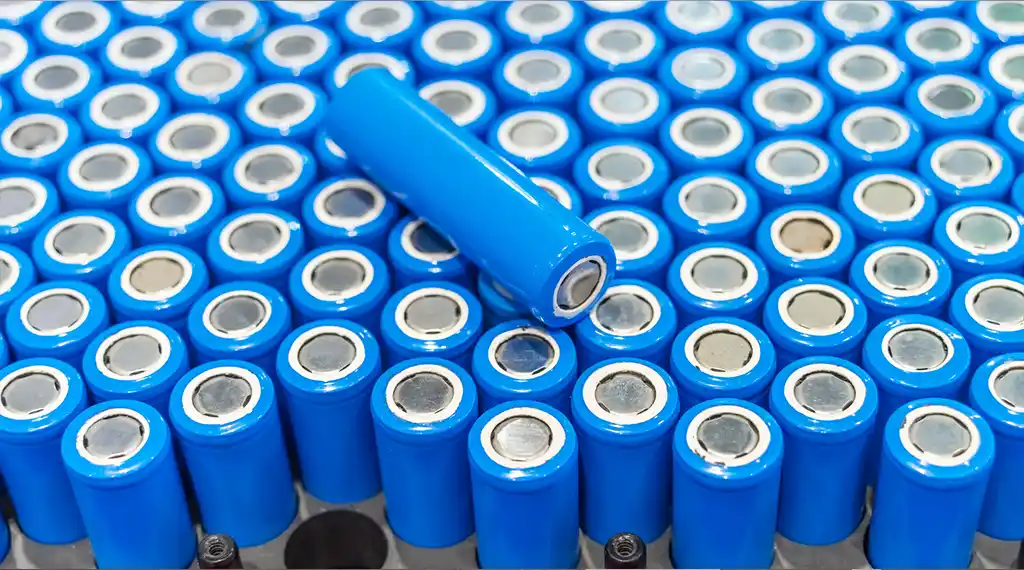
Semi-automatic processes allow components to be prepared for further recycling while minimizing operational risks. This is especially important in the context of the safety of working with lithium-ion batteries.
The new law focuses on digital product passports and unambiguous traceability of materials throughout the value chain.
Wastes Service Group supports producers and partners in:
• preparation of the required documentation
• Material identification of components
• ensuring the tracking of the flow of raw materials
• compliance with reporting requirements
Data transparency is becoming the foundation for the functioning of the battery market in Europe.
The battery regulation is not just another regulation. This is an impetus for the construction of European raw material independence and the development of technologies for the recovery of critical metals.
At Wastes Service Group, we see our role more broadly than just as a recycler. We are a partner for the entire ecosystem — from the battery market, to logistics, to the industry that uses recycled materials.
New regulations are changing the market. We are ready to support this transformation operationally, technologically and strategically.
12/10/26
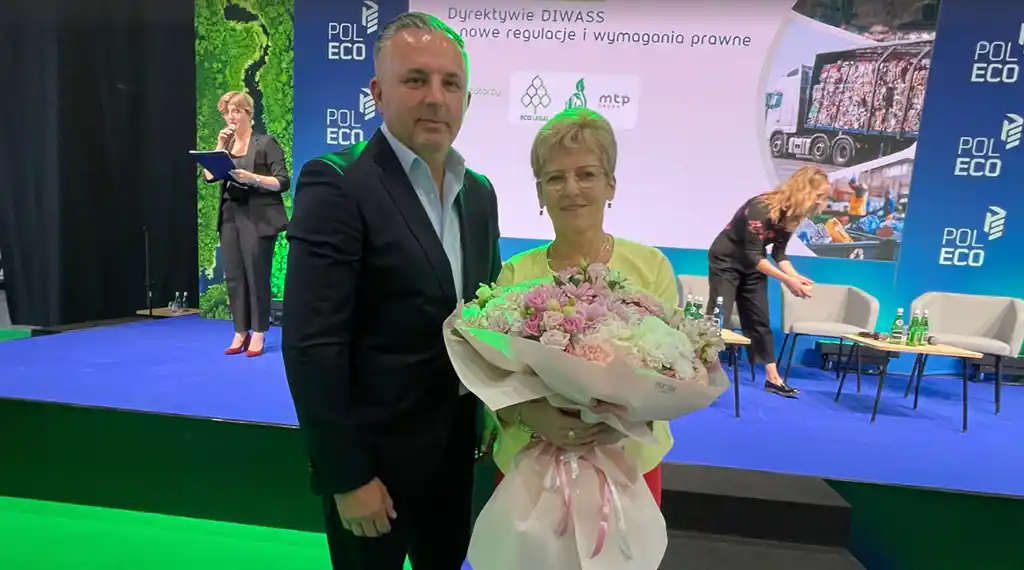
From 6 to 8 October 2026, the Wastes Service Group and Green Recovery teams attended POLECO in Poznań, one of Central and Eastern Europe's leading trade fairs for environmental protection and waste management.