
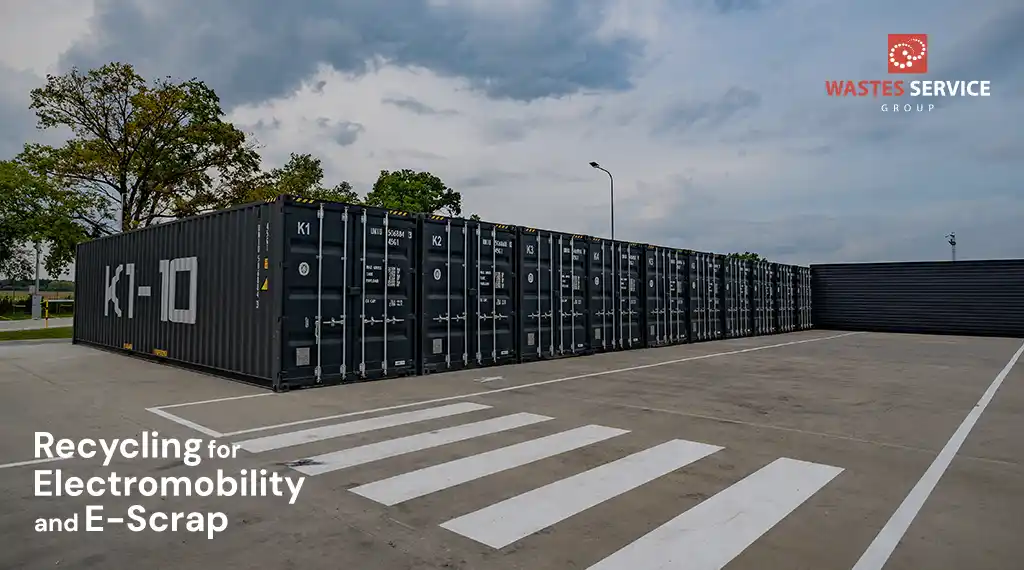
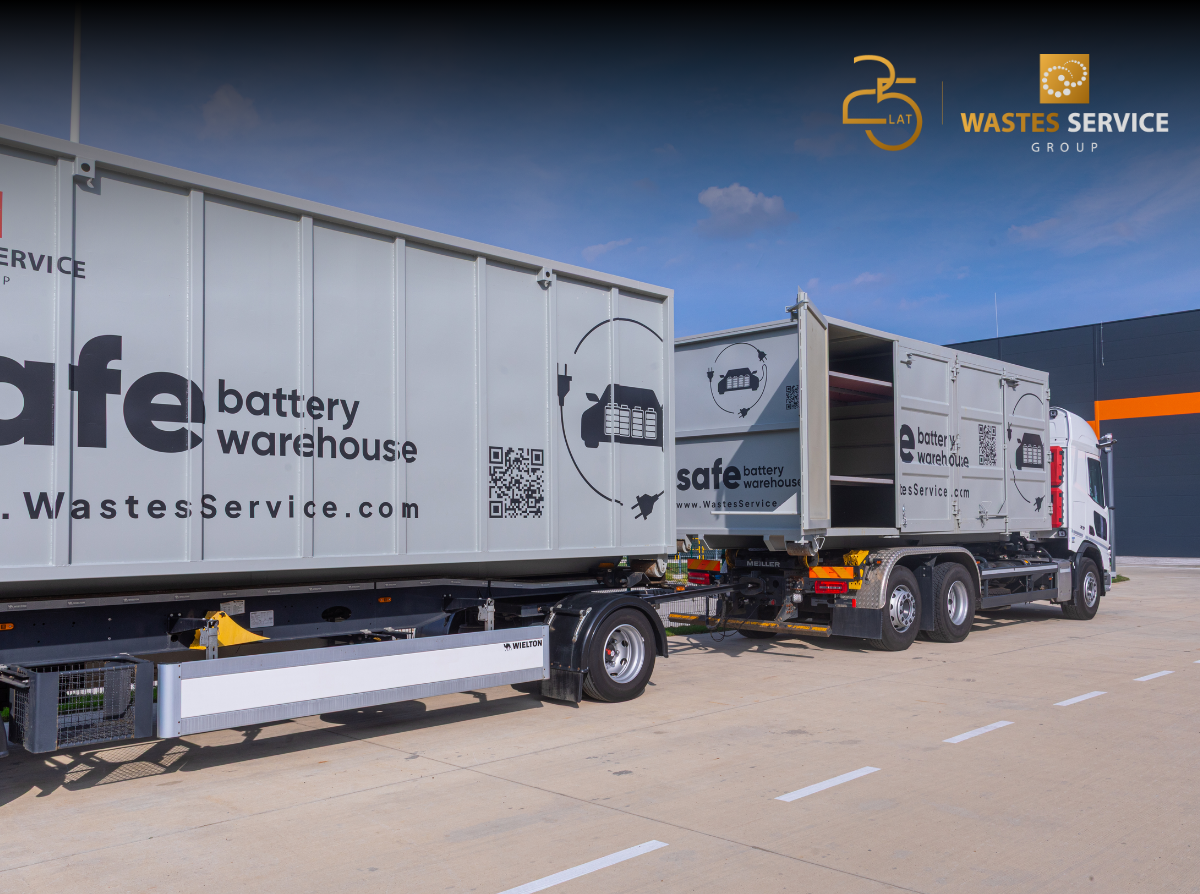
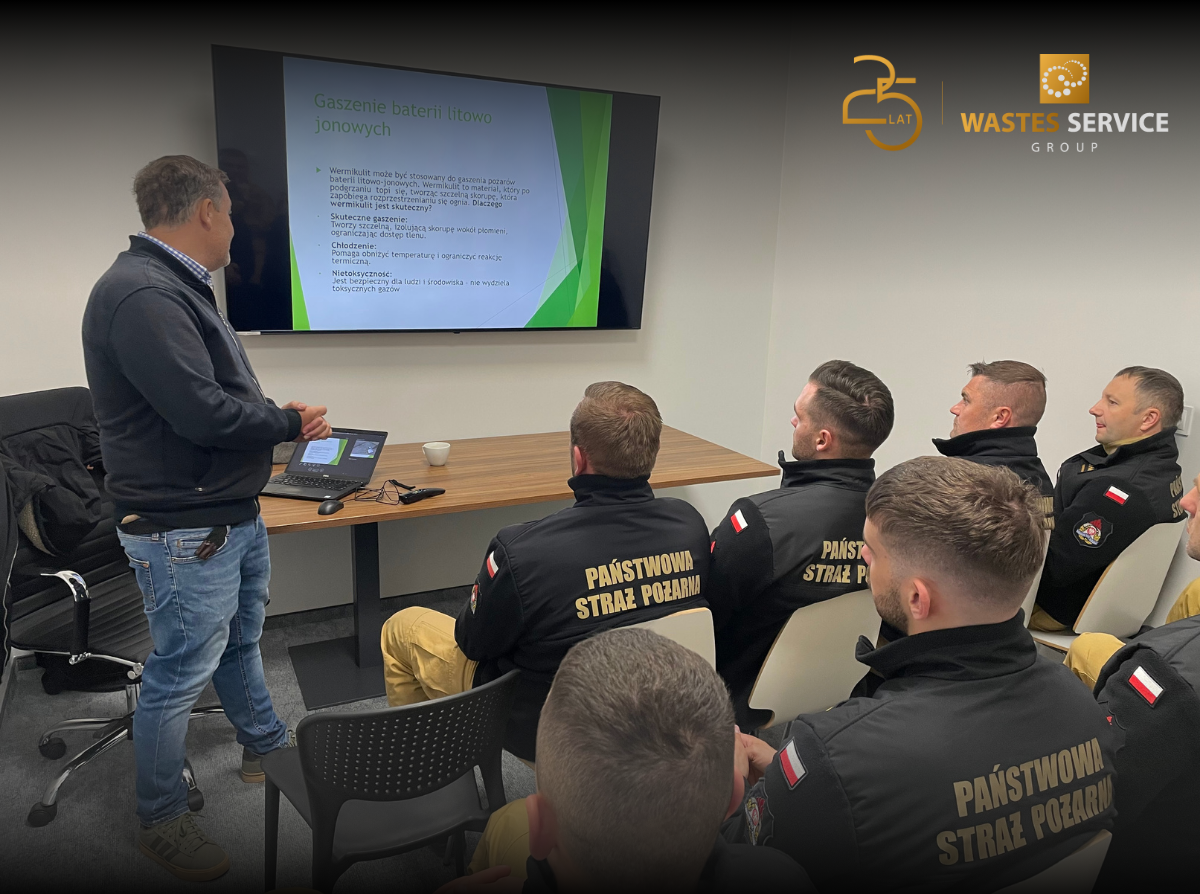
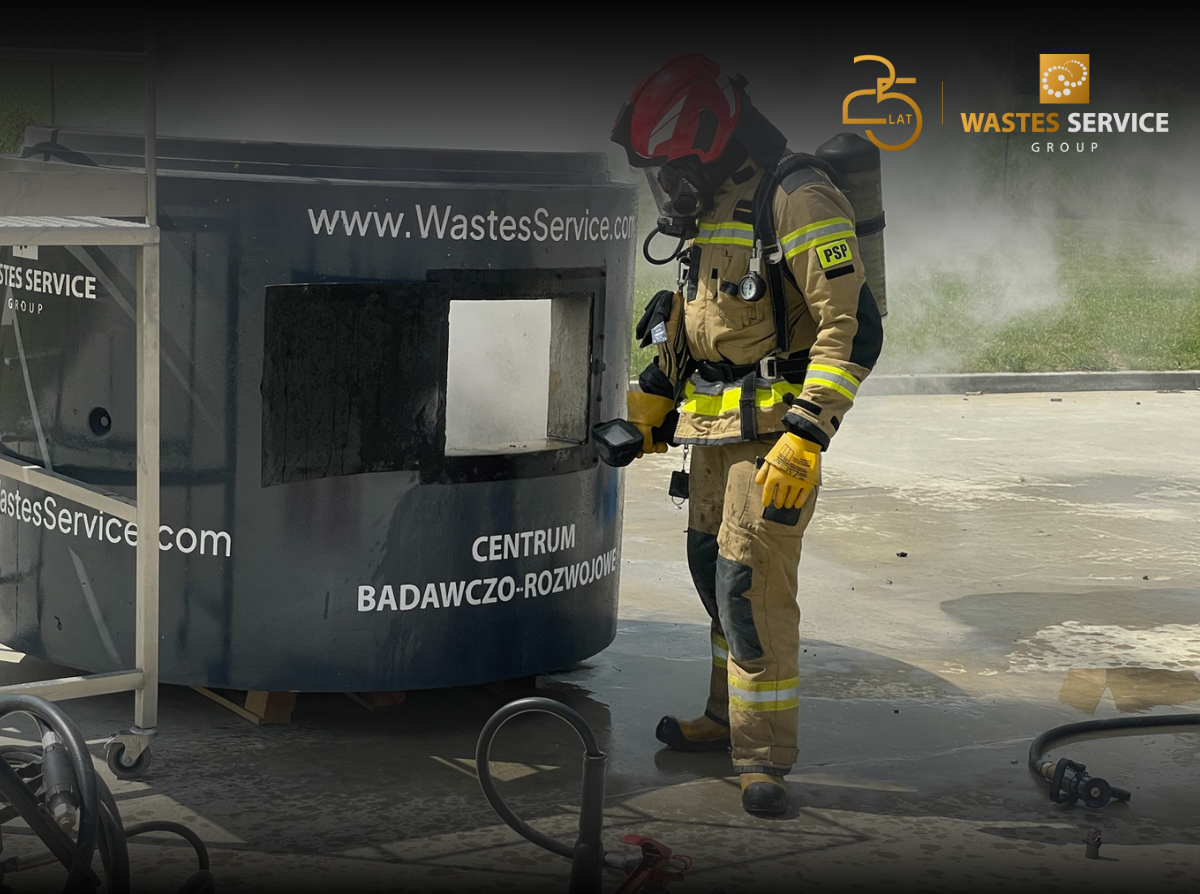
According to the recommendations of the National Fire Protection Association (NFPA), Li-Ion batteries must not be thrown into ordinary garbage or put into standard containers, as damaged or improperly stored cells can go into a state of so-called “thermal escape”, leading to ignition or explosion.
In our plant we apply developed and rigorous safety procedures:
Thanks to this, we minimize the risk of incidents, protect employees and the environment, and at the same time enable efficient and safe recovery of raw materials.
Taking care of safety and ecology, we appeal: do not throw lithium-ion batteries in the trash. Always return them to certified collection and recycling points - responsible disposal is the key to protecting people and the environment.
9/11/26
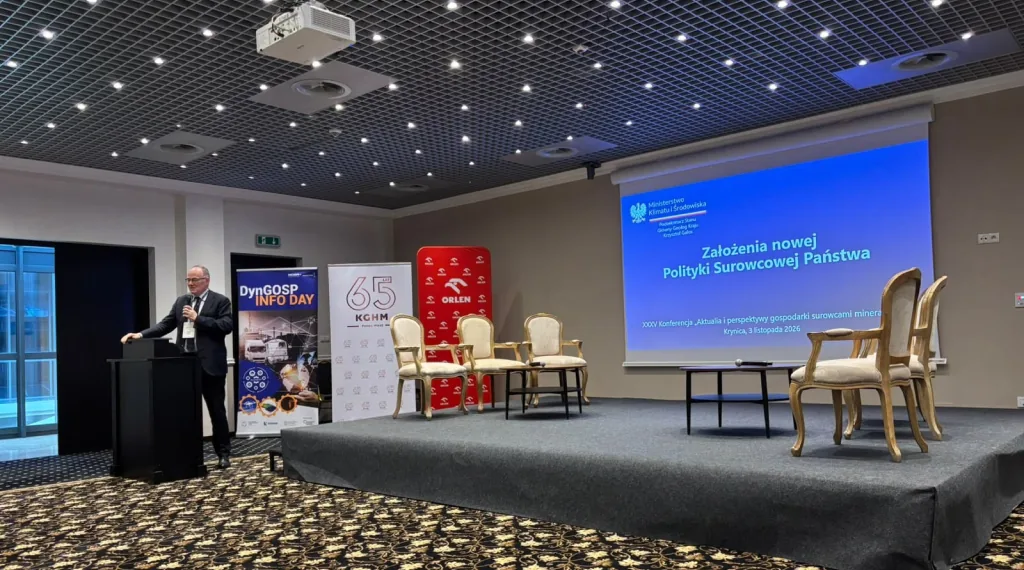
Wastes Service Group and Green Recovery sponsored the 35th Aktualia conference in Krynica-Zdrój. Our recap of the panel on critical raw materials from secondary sources and of a talk on 565 million unused devices.

9/11/26
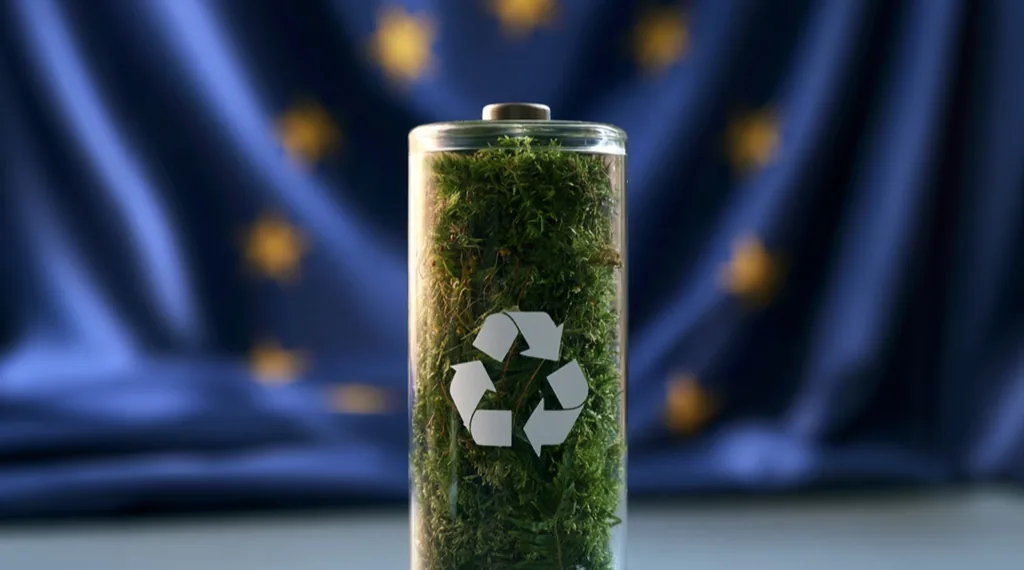
The European Commission has assessed the recycling efficiency and material recovery targets in Battery Regulation 2023/1542 and found them appropriate. See which thresholds apply until 2031.
9/11/26
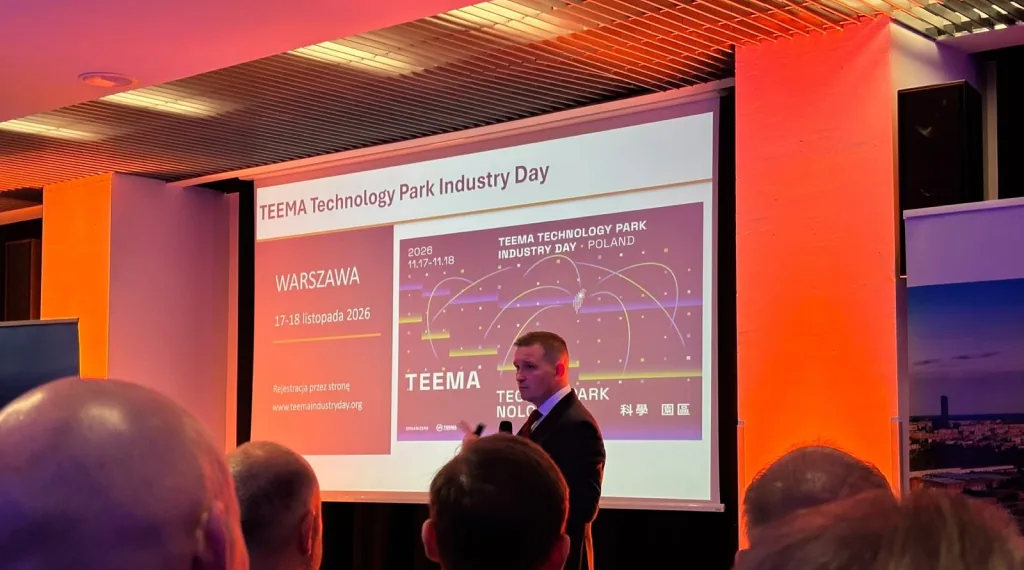
Wastes Service Group took part in the meeting “Lower Silesia - Taiwan. Building an ecosystem of economic cooperation” in Wrocław. Topics included the TEEMA Technology Park in Miękinia and opportunities for SMEs.