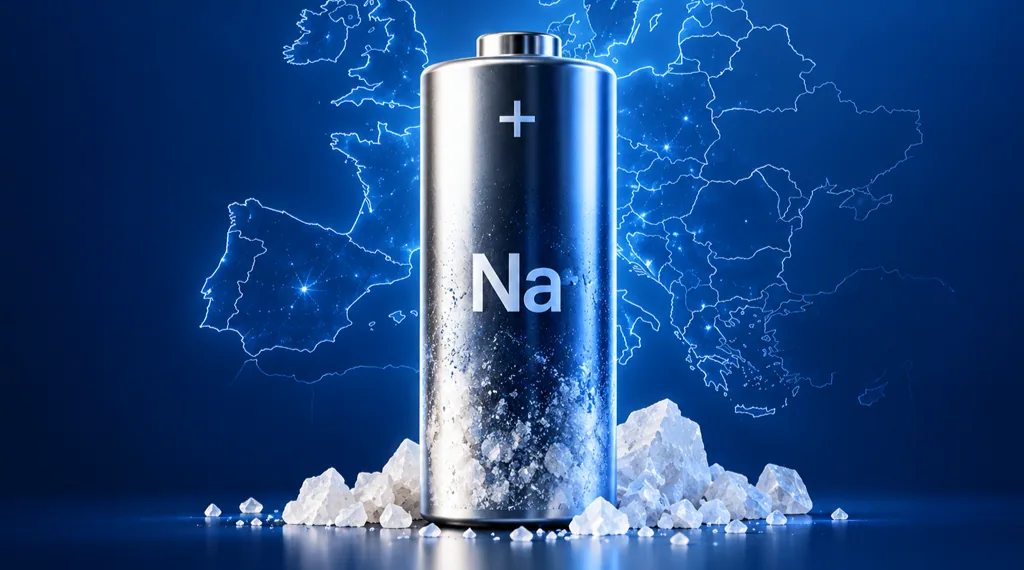
In its opinion CCMI/250, adopted at the plenary session of 18-19 February 2026, the European Economic and Social Committee (EESC) identified sodium-ion battery manufacturing as an opportunity to strengthen the EU's strategic autonomy. For the recycling industry, it signals new challenges.
The opinion points out that by 2030 China could account for around 70% of global battery production, or more than 6,200 GWh. The EESC therefore calls for stronger coordination within the European Battery Alliance so that Europe can build its own capabilities in sodium-ion technology as well.
The spread of sodium-ion batteries will change the stream of waste batteries reaching recyclers. These cells contain fewer valuable metals than lithium-ion batteries with nickel and cobalt, so the economics of recycling them will be different. Recyclers will need to adapt their technologies, and extended producer responsibility schemes should ensure funding for the collection and treatment of these batteries too.
Wastes Service Group follows the development of new cell chemistries and is preparing for changes in the waste stream. Today, our services include lithium-ion battery recycling as well as safe storage and transport of batteries.
9/11/26
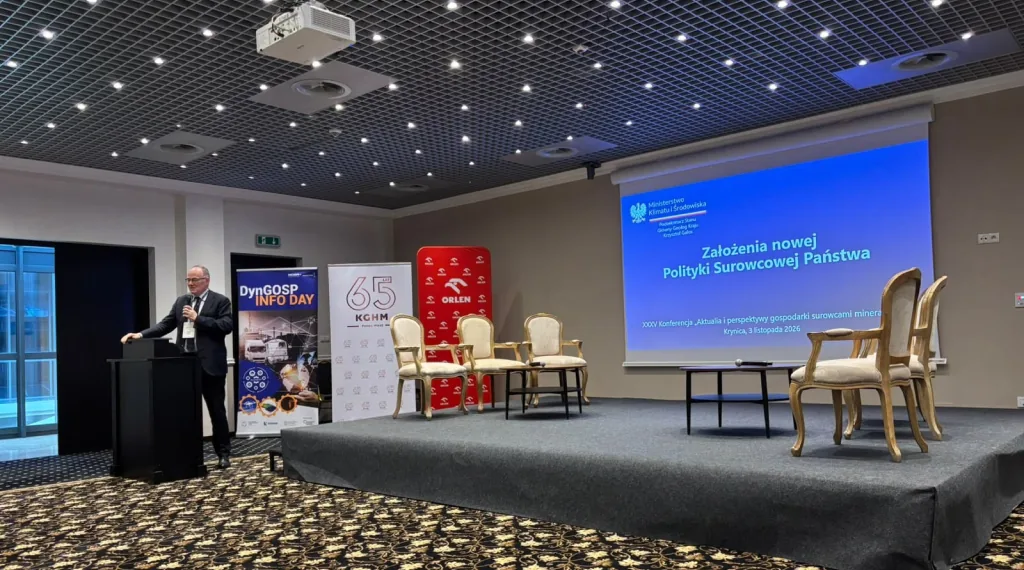
Wastes Service Group and Green Recovery sponsored the 35th Aktualia conference in Krynica-Zdrój. Our recap of the panel on critical raw materials from secondary sources and of a talk on 565 million unused devices.

9/11/26
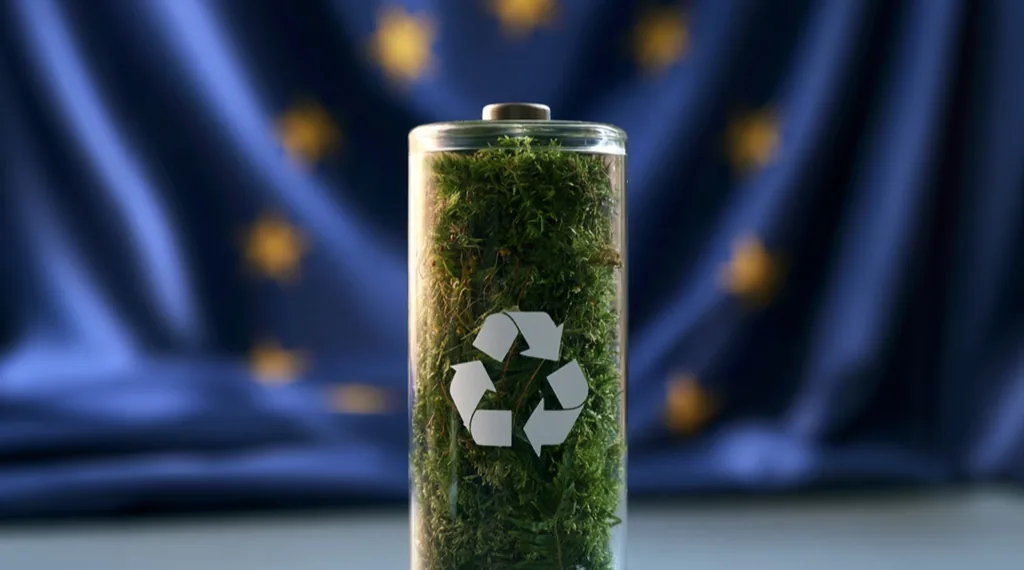
The European Commission has assessed the recycling efficiency and material recovery targets in Battery Regulation 2023/1542 and found them appropriate. See which thresholds apply until 2031.
9/11/26
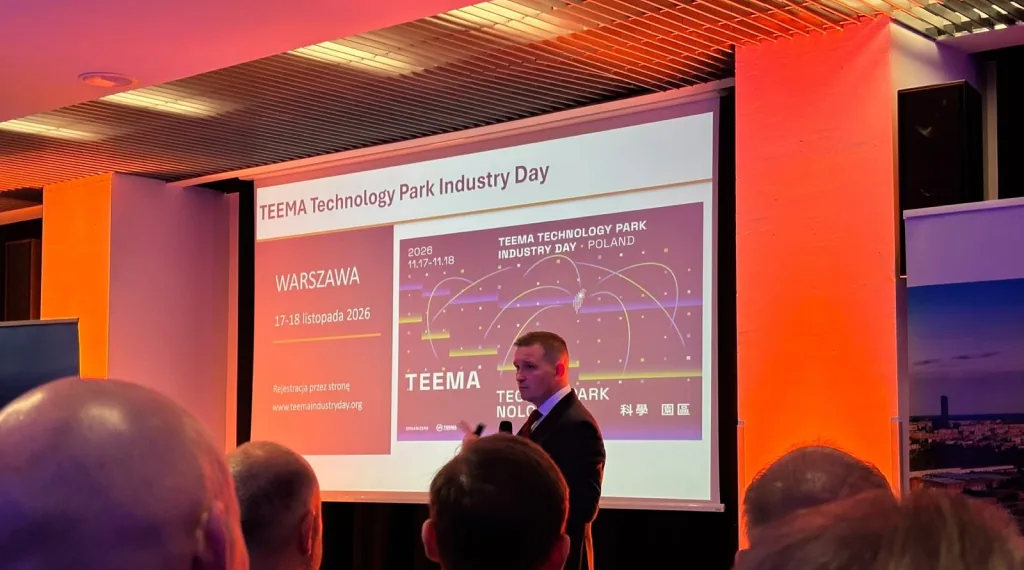
Wastes Service Group took part in the meeting “Lower Silesia - Taiwan. Building an ecosystem of economic cooperation” in Wrocław. Topics included the TEEMA Technology Park in Miękinia and opportunities for SMEs.